

 Feed back
 Privacy Policy
For families seeking more than just a beach vacation or theme park getaway, the Galapagos Islands offer a rare opportunity to engage with nature, culture, and science in one unforgettable journey. Often described as a living laboratory of evolution, this UNESCO World Heritage Site has become a top destination for Galapagos family tours that emphasize wildlife education for kids and promote Ecuador eco-travel principles. Unlike conventional tourist spots, the Galapagos provides a unique blend of adventure, conservation awareness, and deep cultural immersion—making it ideal for families who want their children to learn while exploring.
The islands' remote location and delicate ecosystem demand a mindful approach to travel, which naturally aligns with eco-conscious families. Whether observing giant tortoises in their natural habitat, snorkeling alongside playful sea lions, or interacting with local artisans in Puerto Ayora, every moment becomes a chance to connect with the environment and understand the importance of preserving fragile ecosystems.
What sets the Galapagos apart isn't just its extraordinary biodiversity—it's also how travelers are encouraged to engage with local culture. From visiting community-run farms to participating in conservation projects, families experience firsthand what sustainable living means on these volcanic islands. This article explores how Galapagos family tours provide thrilling wildlife encounters and meaningful cultural exchanges that enrich young travelers' minds and deepen their understanding of global ecology.
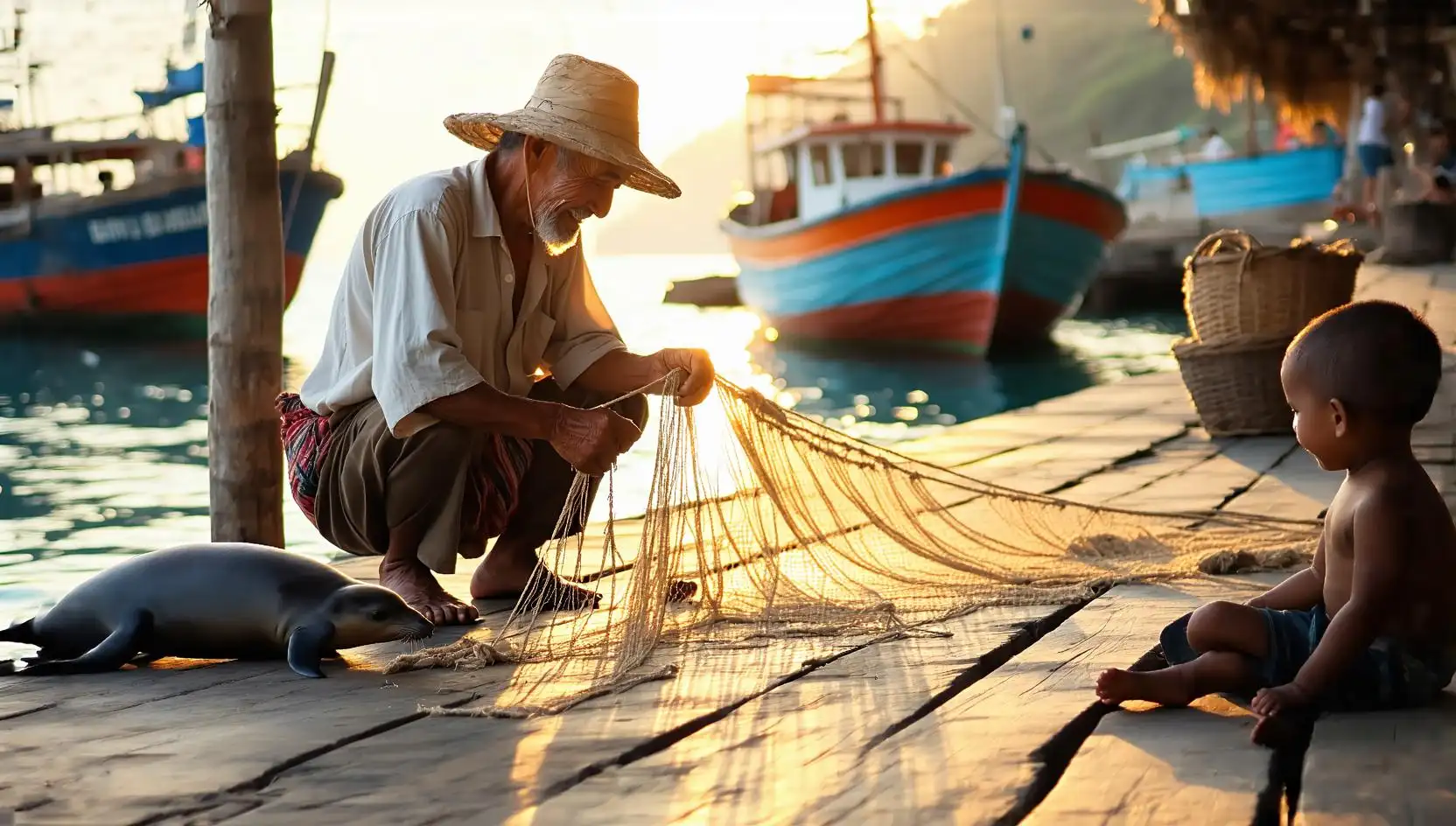
While many envision the Galapagos as a place of scientific discovery and untouched nature, the human element often goes unnoticed. The islands are home to vibrant communities whose lives intertwine with land and sea. For families traveling with children, engaging with these local cultures adds a powerful dimension to the Ecuador eco-travel experience.
One impactful way to connect is through visits to villages like Isabela and San Cristóbal, where generations of Ecuadorians have adapted to island life. These communities offer insights into traditional fishing methods, organic farming, and local folklore. Some Galapagos family tours now include homestays or workshops where children learn basic Spanish phrases, try making ceviche, or assist in planting native crops—an immersive experience fostering global awareness.
Several Ecuador eco-travel organizations collaborate with local schools for cultural exchange programs. Children from abroad share stories or drawings with Ecuadorian students, creating bridges through shared curiosity. These interactions break language barriers and instill global citizenship in young minds.
Local guides, often Galapagos natives, play crucial roles in shaping tour narratives. Their personal anecdotes and historical knowledge transform simple hikes into lessons about resilience and coexistence. Choosing Galapagos family tours that prioritize local employment ensures travel choices positively impact the islands' future.
No destination offers richer hands-on educational experiences for children than the Galapagos Islands. Here, textbook learning merges with real-world exploration as kids witness evolutionary biology, marine ecology, and geology in action. Many Galapagos family tours incorporate structured educational components specifically designed for young audiences, transforming excursions into field studies.
Children join expert-led nature walks to observe iconic species like blue-footed boobies and marine iguanas up close—without disturbing habitats. Rangers explain how these animals evolved uniquely, sparking conversations about adaptation and conservation. At the Charles Darwin Research Station, families witness giant tortoise breeding programs and learn about species restoration efforts.
Snorkeling excursions offer kids chances to swim with penguins and rays in crystal-clear waters—experiences that teach about marine biodiversity beyond entertainment. Some Galapagos family tours include citizen science opportunities where children help collect data on bird sightings or water quality under professional supervision.
Many tour companies provide pre-departure kits with activity books and vocabulary lists to prepare children. This ensures kids arrive excited and curious, ready to absorb everything. The constant presence of wildlife—whether Galapagos hawks soaring overhead or land iguanas near cafés—creates a natural wonder backdrop that makes learning feel like adventure, inspiring lifelong appreciation for nature.
At the heart of meaningful Galapagos family tours lies sustainability. Given the islands' ecological sensitivity, all tourism must carefully protect the environment and support communities. Ecuador eco-travel has developed strict guidelines families should know when planning trips.
Upon arrival, you'll notice eco-friendly practices embedded in tourism infrastructure. Most accommodations use solar power, recycle waste, and source locally. Transportation is limited to designated zones, with all visitors following conduct codes to minimize wildlife impact. GNPD-certified operators adhere to these standards, ensuring every trip aspect supports conservation.
Families can maximize positive impact by choosing tours partnering with conservation groups. Some Galapagos family tours offer short-term volunteer opportunities like trail maintenance or invasive species removal—activities giving children tangible ways to protect ecosystems.
Choosing the right cruise vessel is essential. Smaller yachts and catamarans have lower environmental footprints and offer more personalized experiences with fewer passengers for intimate wildlife encounters. Many employ naturalists tailoring presentations to different age groups, making complex ecological concepts accessible to children.
Parents can extend eco-travel principles by packing sustainably—using reef-safe sunscreen and reusable bottles. Teaching these habits prepares children for trips and reinforces environmentally conscious behavior at home. Through Ecuador eco-travel, families enjoy adventures while becoming planetary stewards, with lessons about balance and responsibility profoundly shaping children's worldviews.
Planning Galapagos family tours requires thoughtful consideration, especially with children. While islands welcome families warmly, logistics can be complex due to permits, limited accommodations, and entry requirements. Proper planning ensures a seamless, rewarding experience.
First, decide between land-based tours or cruises. Land-based options offer flexibility, often better for very young children or those preferring one location. Cruises access more remote islands, providing deeper immersion into archipelago diversity.
Next, choose optimal visiting times. The dry season (May-November) offers cooler temperatures and clearer skies ideal for hiking and wildlife observation, with many seabirds nesting. The warmer season (December-April) brings lush greenery and calmer seas perfect for snorkeling.
Select tour operators specializing in Galapagos family tours with eco-tourism certifications. Inquire about child-friendly amenities like kid-sized life jackets, educational materials, and flexible meal times. Bilingual guides catering to both adults and children are valuable.
Prepare children by introducing island geography, wildlife, and history through books, documentaries, and games. Encourage journaling or sketching during the trip to document observations and reflections, enhancing the educational experience.
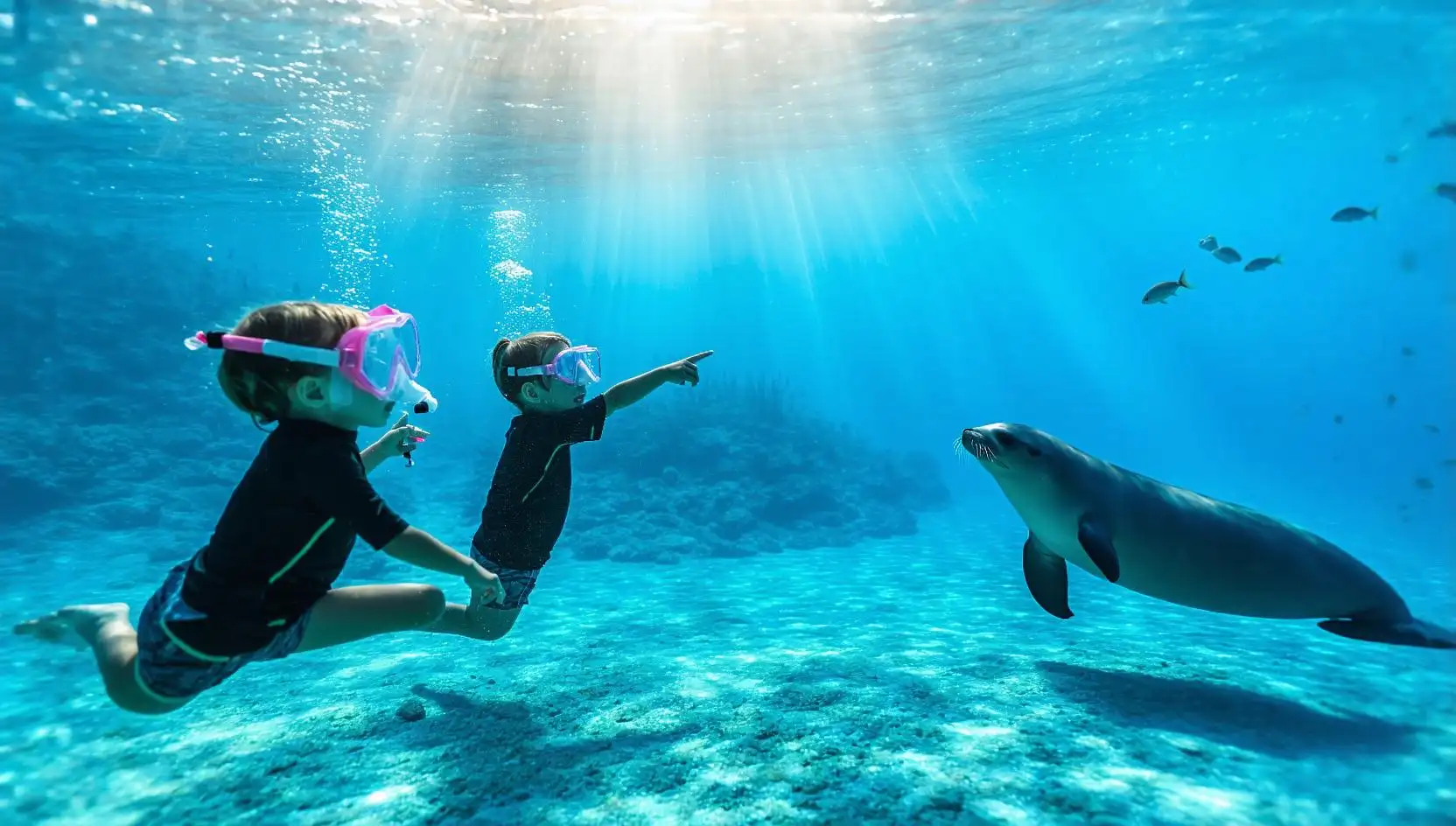
A Galapagos family tour transcends typical vacations—it's a transformative experience combining adventure, education, and cultural connection. Through these journeys, children gain profound understanding of nature and their role within it. The wildlife education for kids provided in this unique setting sparks lifelong passions for science, conservation, and exploration, while Ecuador eco-travel principles ensure every step contributes to preservation.
Whether watching sea lion pups chase mothers underwater, sharing meals with local families, or hearing guides recount Darwin's discoveries, these moments leave lasting impressions. They shape young minds, foster empathy, and inspire future generations to protect precious ecosystems.
When planning your next family adventure, consider the Galapagos—not just for beauty, but for opportunities to grow, learn, and connect in ways few destinations match. With proper guidance and intention, your family will return home not only with photographs, but with renewed purpose and wonder that lasts a lifetime.
Rodríguez
|
2025.06.30


