

 Feed back
 Privacy Policy
Argentina, renowned for its vibrant culture and rich history, preserves a treasure trove of architectural marvels shaped by Spanish colonial rule. Among these, the colonial churches stand as profound remnants of an era marked by faith, conquest, and cultural transformation. These structures, influenced by Spanish colonial architecture in Argentina, reflect artistic and spiritual aspirations while serving as vital links to Latin American heritage.
Today, these historical churches attract scholars, pilgrims, and travelers, offering tangible connections to the past. With the rise of cultural tourism AR, their preservation is increasingly recognized not merely as conservation of relics but as participation in Argentina's ongoing narrative. This article explores how Spanish colonial architecture in Argentina has shaped religious landscapes and contributed to continental heritage.
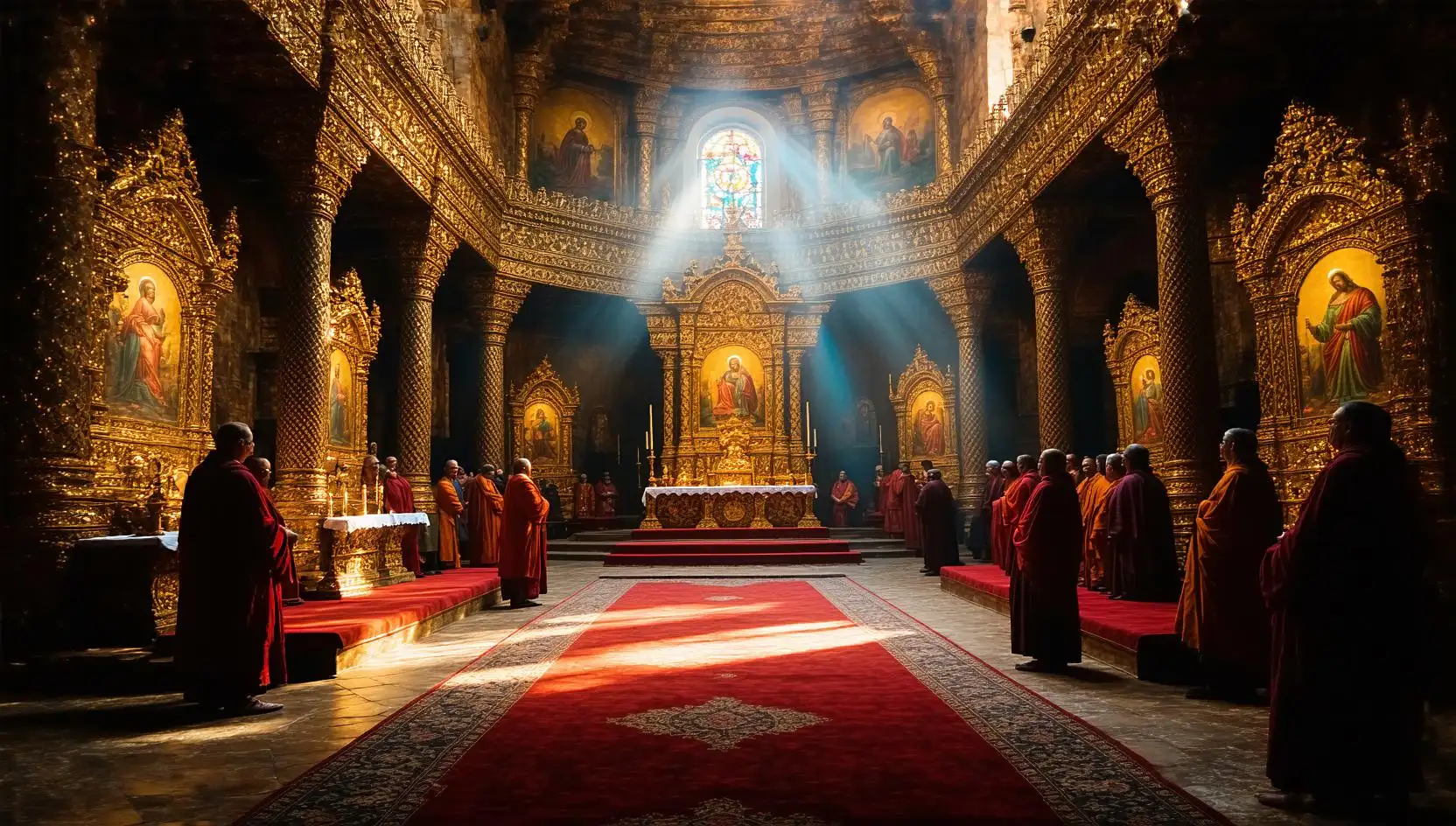
The arrival of Spanish conquistadors in the 16th century introduced Catholicism and European architectural styles to Argentina. Missionaries, particularly Jesuits and Franciscans, built churches that became community cornerstones. Initially modeled after Spain's late Gothic, Renaissance, and Baroque styles, these designs evolved uniquely in the New World due to material scarcity and indigenous influences.
Regions like Salta, Tucumán, and Jujuy developed the Andean Baroque style—a blend of European aesthetics and pre-Columbian symbolism—adapting to challenging terrains. This fusion exemplifies how Spanish colonial architecture in Argentina integrated local conditions and craftsmanship.
Dating to the early 1700s, San Francisco Church showcases Baroque and Mudéjar styles with intricate stucco work and Moorish-inspired wooden ceilings. Located in Buenos Aires, it remains a testament to colonial architecture's resilience amid modernization, attracting those interested in historical churches in Argentina.
A prime example of Andean Baroque, this mid-18th-century Jesuit church features gold-leaf altarpieces and saints depicted with American nuances. Its bell tower offers panoramic views, making it a key landmark for cultural tourism AR.
Though Neoclassical in its current form, the cathedral's foundations date to the 17th century. It houses religious art and the tomb of General José de San Martín, symbolizing Argentina's political and spiritual history.
A pilgrimage site since the 17th century, the basilica draws thousands annually, especially during the Virgin of Luján's feast day. Its colonial origins underscore its role in Argentina's religious tourism landscape.
Materials like adobe, stone, and wood varied by region, with arid areas favoring adobe for insulation and humid regions using timber. Decorative façades and interior iconography served devotional and educational purposes, often blending indigenous motifs with Christian symbols. This hybrid artistry highlights the adaptability of colonial architecture in Argentina.
Themed tours connecting colonial-era sites have surged, offering insights into Spanish colonial architecture in Argentina while engaging travelers with local traditions. Initiatives like "Ruta Jesuítica" in Córdoba promote responsible heritage tourism, benefiting communities and preservation efforts.
Urbanization, climate change, and neglect threaten many churches. However, projects like the Jesuit Reductions' restoration in Misiones—using original techniques—showcase successful partnerships between UNESCO, INP, and local universities, preserving both structures and traditional knowledge.
Argentina's colonial churches are part of a broader Latin American narrative, symbolizing the fusion of European and indigenous identities. Their diversity—from Pampa chapels to Andean temples—offers unique insights into regional histories.
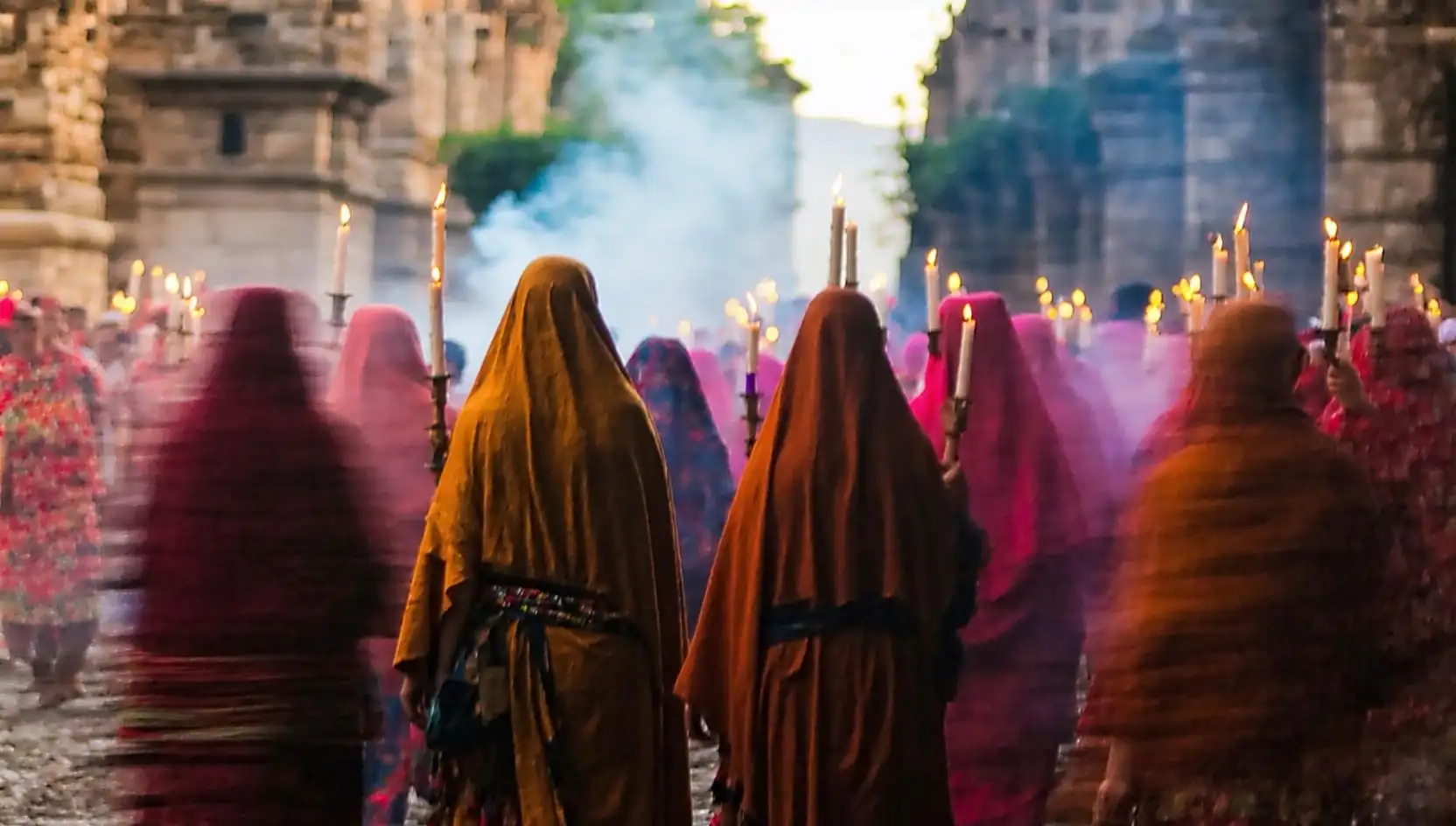
Balancing modernity and preservation requires digital tools like VR reconstructions and sustainable tourism models. Community involvement and economic incentives are key to safeguarding Argentina's colonial legacy for future generations.
Argentina's colonial churches are living testaments to faith, culture, and history. As cultural tourism AR grows, so does the opportunity to appreciate and protect these architectural treasures, ensuring their stories endure.
Rodríguez
|
2025.06.30


