

 Feed back
 Privacy Policy
Machu Picchu travel has captivated global explorers for decades, drawing millions to witness this New Seven Wonder of the World. However, the true depth of Peru archaeological tours extends far beyond this iconic site. The Inca trails and Andean culture offer transformative journeys through living history, where visitors walk sacred paths and engage with descendants preserving ancestral traditions.
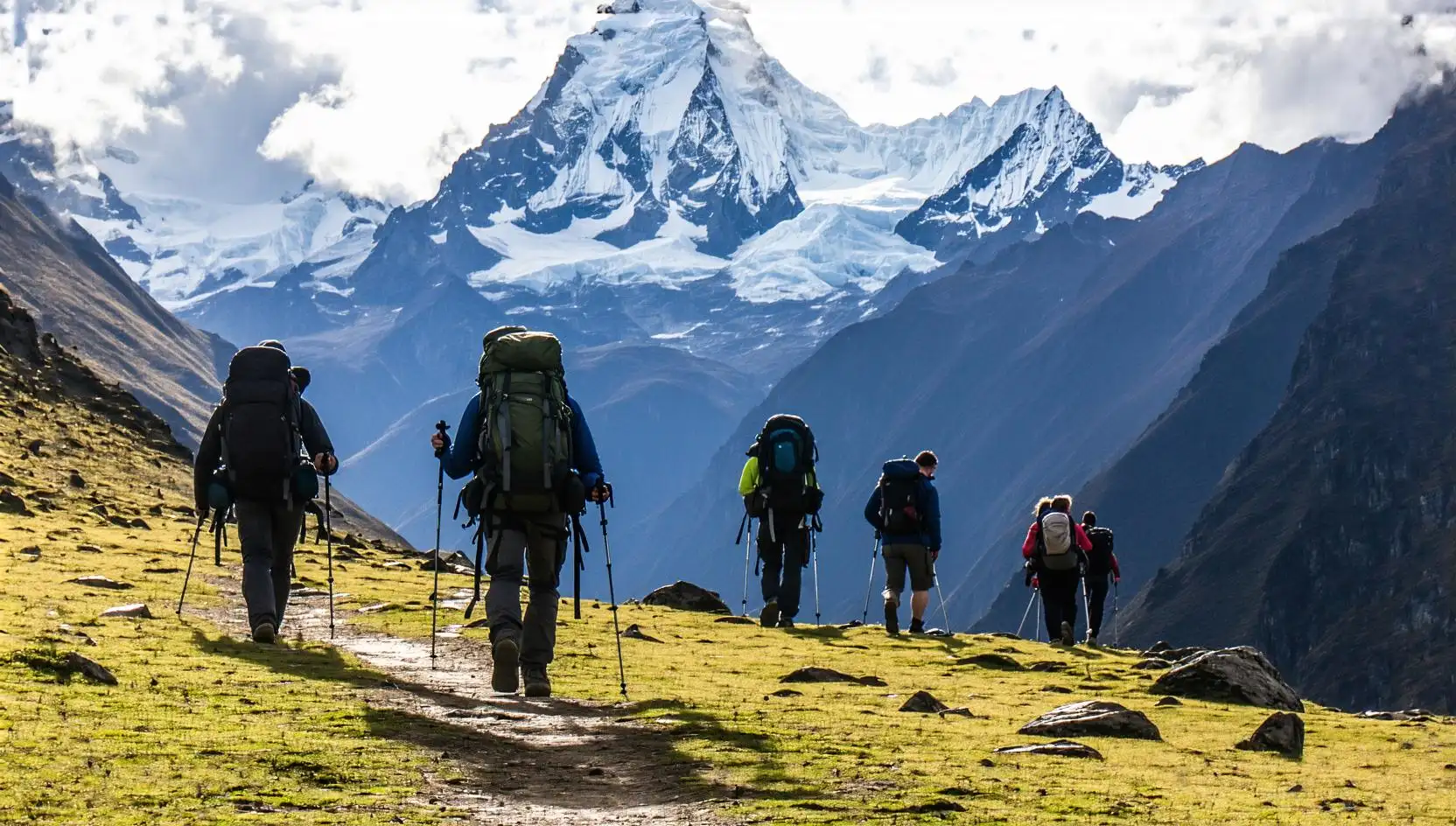
The extensive Inca trails system served as the lifeblood of Tawantinsuyu (the Inca Empire), connecting religious sites and administrative centers across diverse landscapes. While the Classic Inca Trail draws most visitors, alternative routes like the Salkantay Trek reveal breathtaking mountain scenery near sacred Mount Salkantay. The Lares Trek provides cultural immersion in remote Andean villages, while Choquequirao offers adventurous explorers a challenging trek to Machu Picchu's "sister city." These Peru archaeological tours allow travelers to experience the spiritual geography that shaped Inca cosmology.
Cusco history unfolds through its remarkable blend of Inca foundations and colonial architecture. The Qorikancha (Temple of the Sun) showcases exquisite Inca masonry, while the Plaza de Armas pulses with modern Andean life. Cultural continuity shines during Inti Raymi (Festival of the Sun), where ancient ceremonies come alive. Local artisans preserve textile techniques passed down through generations, making Cusco an essential stop on any Peru archaeological tour.
Ollantaytambo's fortress-city reveals sophisticated astronomical alignments, while Moray's circular terraces demonstrate Inca agricultural innovation. Nearby, the Maras salt ponds have operated continuously since pre-Columbian times. For those interested in Inca resistance history, the remote sites of Vitcos and Espíritu Pampa in Vilcabamba offer poignant insights into the empire's final days.
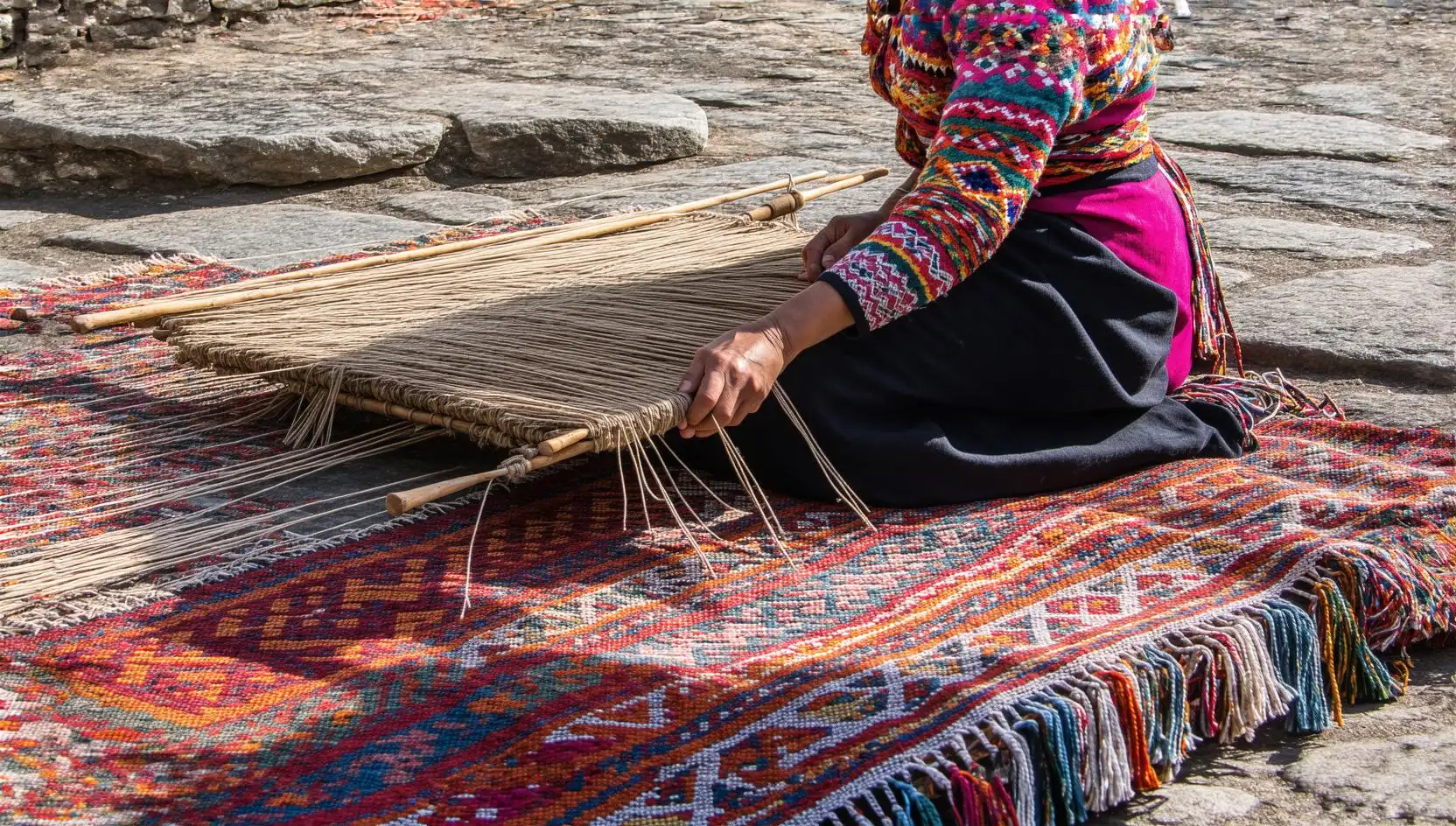
Contemporary Andean culture preserves Inca heritage through Quechua language, textile arts, and agricultural practices. In villages like Chinchero, visitors can participate in weaving workshops using natural dyes. Festivals like Qoyllur Rit'i blend Catholic and Inca traditions in vibrant celebrations. Ethical tourism initiatives facilitate meaningful homestays and cultural exchanges, supporting local communities while preserving traditions.
Successful Machu Picchu travel requires careful preparation. The dry season (May-September) offers optimal conditions for Inca trails exploration. Acclimatization in Cusco helps prevent altitude sickness, while packing layers accommodates dramatic temperature shifts. Choosing ethical tour operators committed to sustainability and fair wages ensures positive impacts. Cultural sensitivity - learning basic Quechua phrases and respecting sacred spaces - enhances experiences for both visitors and host communities.
Peru archaeological tours reveal that Inca civilization thrives beyond Machu Picchu travel. From Cusco history to living Andean culture, these journeys connect visitors with a worldview honoring harmony between humanity and nature. Whether trekking ancient trails or sharing meals with Quechua families, each experience becomes a bridge between past and present. The Inca legacy endures not just in stone, but in the vibrant traditions of their descendants.
We welcome your questions and experiences about exploring Peru's Inca heritage in the comments below.
Martinez
|
2025.06.30


