

 Feed back
 Privacy Policy
The Himalayas call to adventurous souls seeking transformation through Trekking in India's majestic peaks. Solo travel India offers unparalleled opportunities for self-discovery amidst breathtaking landscapes that challenge both body and spirit. This comprehensive guide reveals everything you need to know about Himalayan backpacking - from choosing routes to cultural encounters and safety essentials.
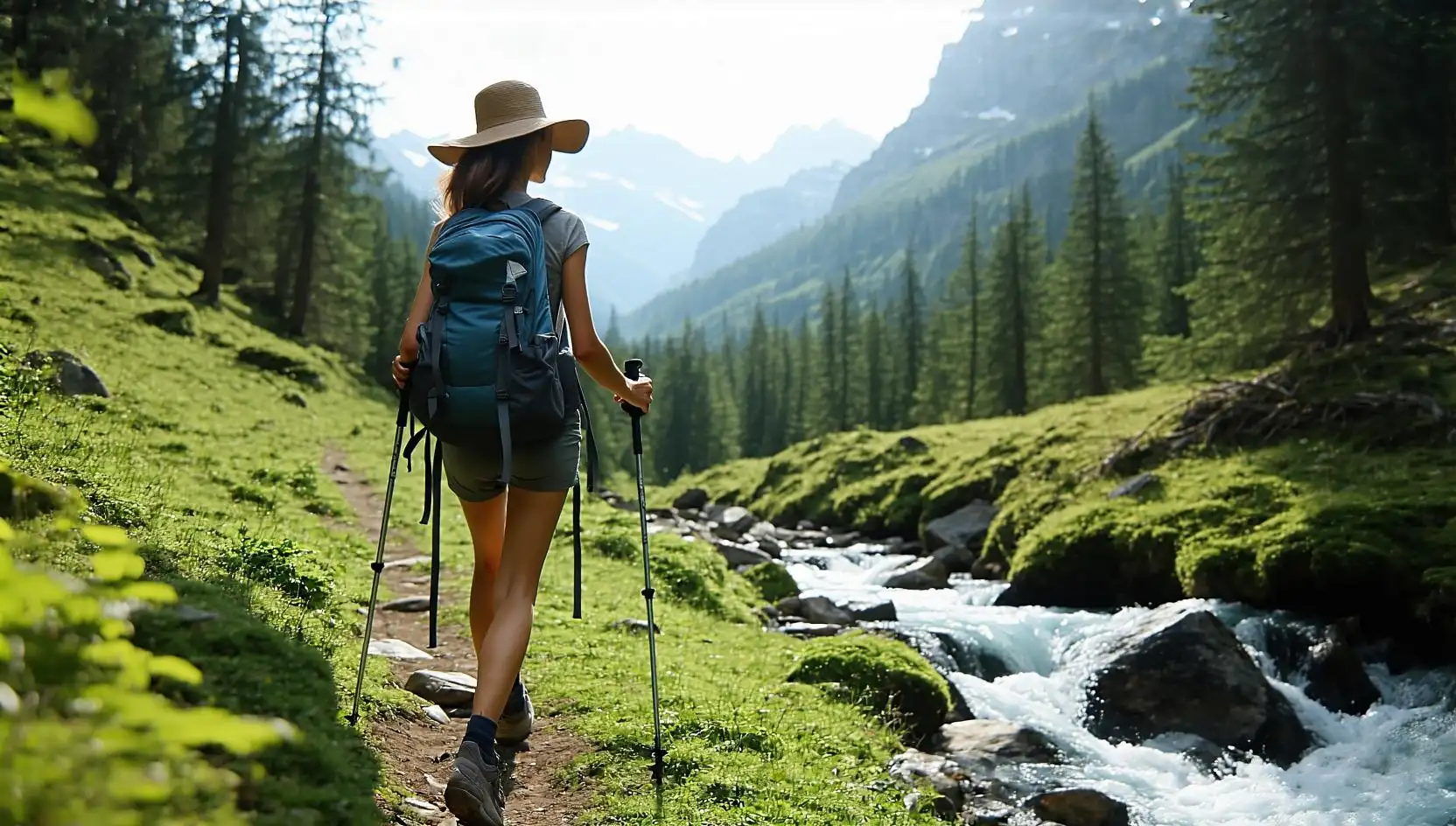
Himalayan backpacking provides a unique crucible for personal growth unlike any other Trekking in India experience. The solitude of high-altitude trails forces introspection while navigating remote villages builds cultural connections impossible in group travel. Solo travel India teaches self-reliance through unpredictable weather, language barriers, and logistical challenges that become transformative life lessons.
This 45km Himalayan backpacking route showcases dramatic landscapes from Kullu's forests to Lahaul's arid plains. Well-marked trails and guesthouses make it perfect for first-time solo Trekking in India adventures between June-September.
The legendary "Skeleton Lake" at 5,029m rewards solo travel India enthusiasts with eerie beauty. May-October offers safest conditions for this demanding but rewarding Himalayan backpacking experience through ancient forests and alpine meadows.
This 55km ridge walk delivers unobstructed views of Everest and Kanchenjunga, combining Trekking in India with Nepalese border culture. Tea plantations and welcoming villages provide comfort during solo journeys from March-May or September-November.
For experienced Himalayan backpacking enthusiasts, this 70km Ladakh expedition crosses two 5,000m+ passes through Tibetan Buddhist villages. June-September offers safest window for this ultimate solo travel India challenge.
Proper planning separates successful solo Trekking in India adventures from dangerous situations. These key considerations ensure your Himalayan backpacking experience remains safe and rewarding.
- Waterproof layers for sudden storms
- Insulated sleeping bag rated below -10°C
- Broken-in boots with ankle support
- Trekking poles and navigation tools
- Water purification system
- First aid kit including altitude medication
Solo travel India demands cardiovascular endurance for long ascents. Build stamina with 3-6 months of hiking practice carrying full packs. Mental resilience proves equally crucial when facing unexpected challenges during Himalayan backpacking expeditions.
Trekking in India follows distinct seasons - spring (April-May) for flowers, autumn (Sept-Oct) for stable weather, and summer monsoon risks. Winter attempts require specialized skills. Research microclimates along your specific Himalayan backpacking route.
Navigating Himalayan backpacking bureaucracy requires attention. Many Trekking in India routes need permits from local authorities or national parks. Solo travelers should arrange these in advance through registered agencies when required. Transportation from cities like Delhi, Dehradun, or Leh varies by region - research local buses, shared jeeps, or private transfers.
Solo travel India shines brightest through authentic village encounters. Himalayan backpacking routes pass ancient monasteries, seasonal festivals, and welcoming homestays. Learning basic Hindi phrases and respecting local customs enriches your Trekking in India experience while supporting mountain communities.
Altitude sickness represents the greatest risk during Himalayan backpacking. Acclimatize properly, recognize AMS symptoms, and descend immediately if severe. Carry emergency contacts, travel insurance covering evacuation, and share detailed itineraries. Stay hydrated and protected from intense UV radiation at high elevations.
Responsible Trekking in India minimizes environmental impact. Follow Leave No Trace principles, carry reusable water bottles, and support local businesses. Solo travel India offers opportunities to give back - consider packing out others' trash or volunteering with trail maintenance organizations.
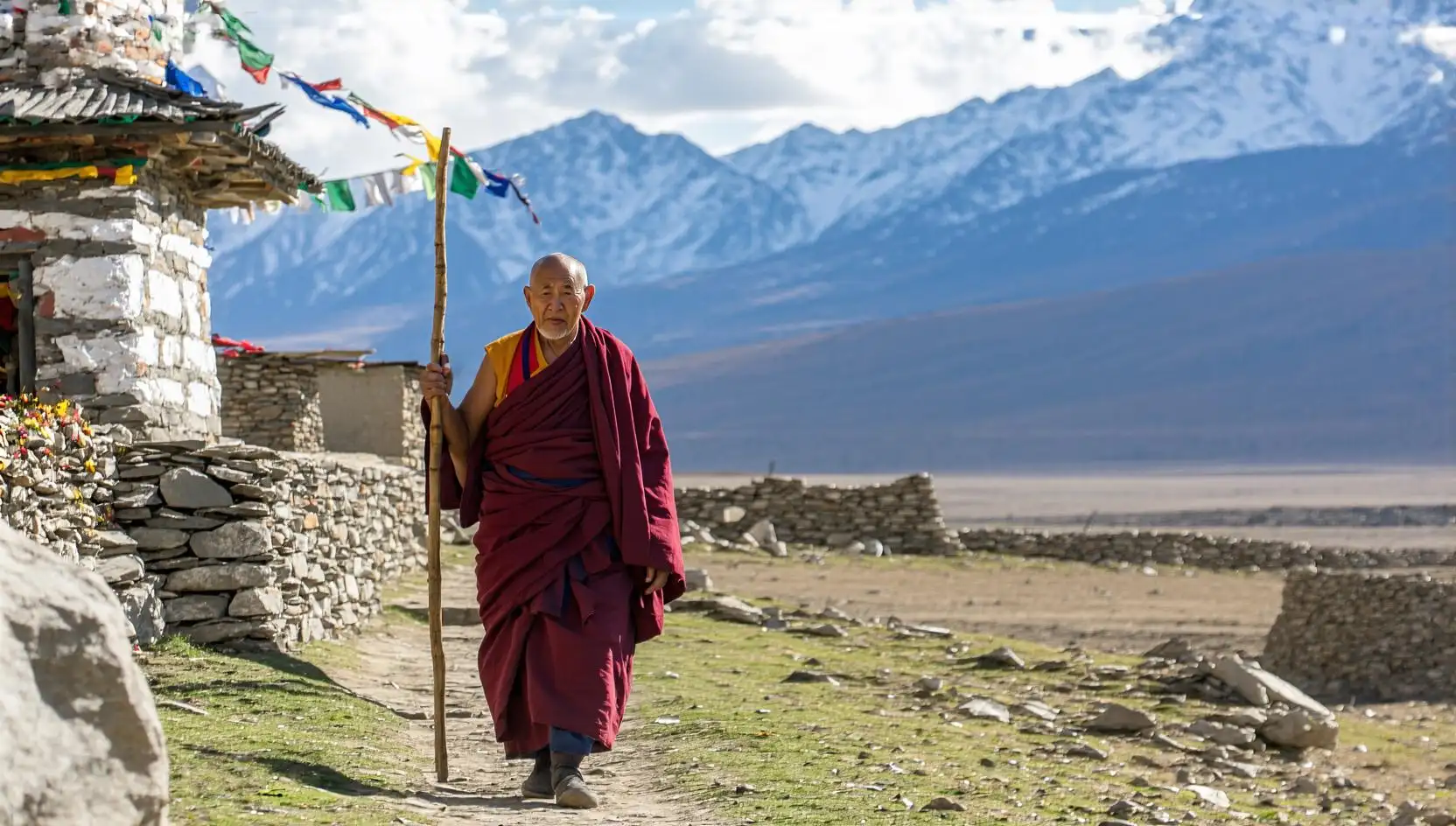
Himalayan backpacking changes perspectives forever. The combination of physical challenge, cultural immersion, and breathtaking scenery makes Trekking in India a life-altering experience. Whether you choose the Hampta Pass introduction or Markha Valley's remote challenge, solo journeys through these mountains reveal strengths you never knew existed.
Is Himalayan backpacking safe for solo female travelers?
Yes, with proper precautions. Stick to popular Trekking in India routes, dress conservatively, and connect with local women's trekking groups for advice.
What budget should I plan for solo travel India trekking?
Expect $30-$50 daily for permits, food, and accommodation. Guided Himalayan backpacking trips cost $800-$1500 for 7-10 days including everything.
How do I prevent altitude sickness during Trekking in India?
Acclimatize properly, ascend gradually, stay hydrated, and consider Diamox medication after consulting your doctor about Himalayan backpacking plans.
Sharma
|
2025.06.30


