

 Feed back
 Privacy Policy
In an era where authentic experiences trump fleeting encounters, India's majestic palaces stand as timeless monuments to regal living. These architectural marvels, once exclusive domains of maharajas and nawabs, now welcome global travelers as luxurious Indian palace hotels, offering unparalleled access to royal heritage while driving cultural tourism in India. From the intricate carvings of Rajasthan's forts to the serene lakeside retreats of Udaipur, these properties blend historical architecture with modern comforts, creating unforgettable regal travel experiences.
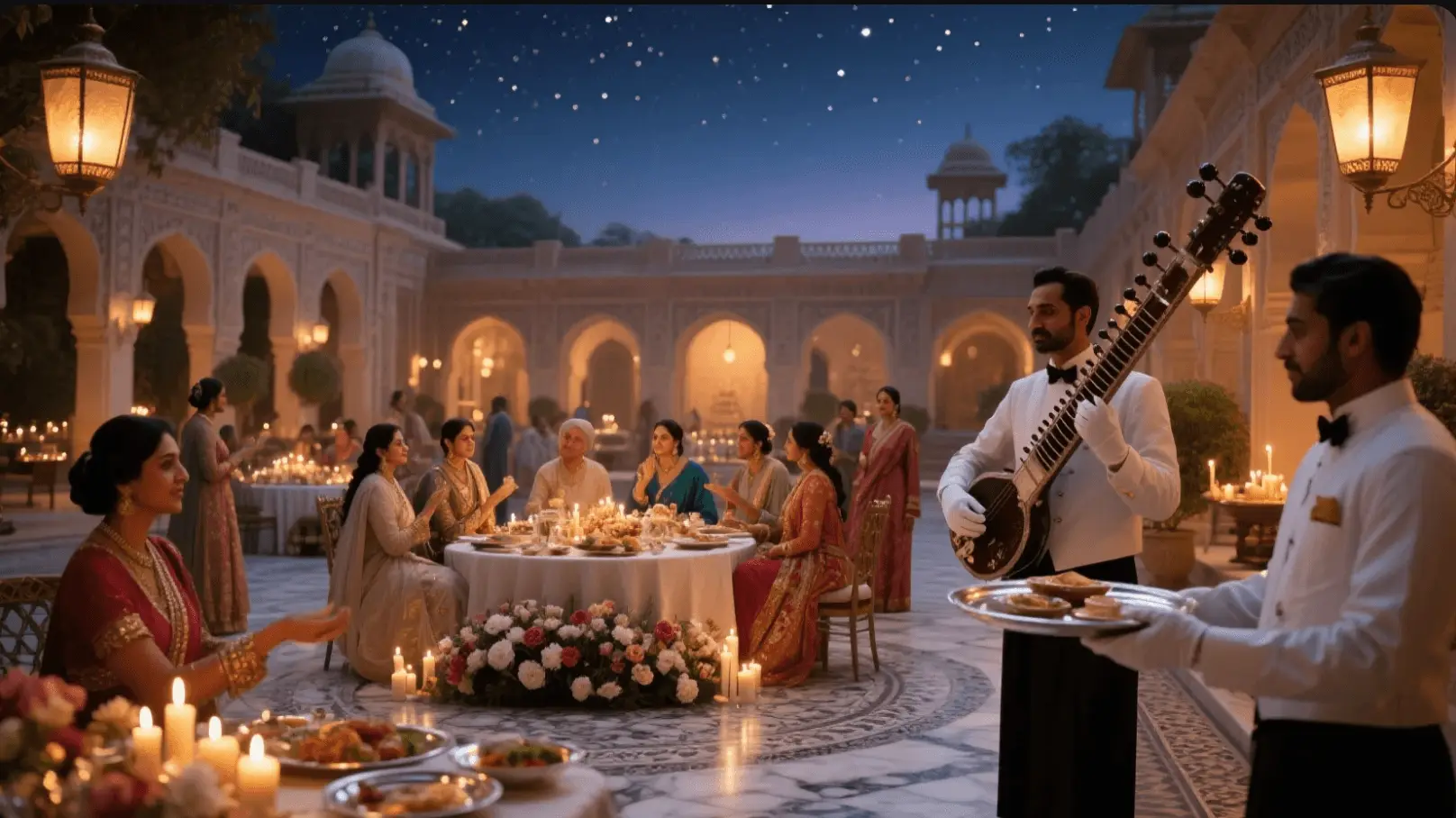
The story of Indian palace hotels begins with the subcontinent's rich tapestry of kingdoms and princely states. Rulers like the Rajputs of Jaipur, the Nizams of Hyderabad, and the Wodeyars of Mysore commissioned architectural wonders that reflected their power and cultural sophistication. Following independence, many royal families faced financial challenges but found innovative solutions by transforming their ancestral homes into hospitality ventures. This transition not preserved historical architecture but created sustainable models for maintaining royal heritage through cultural tourism in India.
The conversion of palaces into Indian palace hotels represents one of India's most successful heritage preservation stories. Iconic properties like Jodhpur's Umaid Bhawan Palace showcase how royal families partnered with luxury brands to maintain their legacy. The restoration process involves painstaking attention to detail - from preserving original frescoes to maintaining century-old plumbing systems. These hotels offer more than accommodation; they provide immersive regal travel experiences where guests live like royalty, surrounded by authentic historical architecture and personalized service traditions.
Recent data from India's Ministry of Tourism reveals that cultural tourism in India grew by 24% last year, with heritage stays driving much of this demand. Indian palace hotels have become cultural hubs, offering activities like:
This focus on authentic experiences sets regal travel apart from conventional tourism, appealing to discerning travelers seeking deeper connections with local traditions.
The historical architecture of Indian palace hotels showcases diverse influences from Mughal symmetry to Rajputana fortifications. Conservation efforts by organizations like UNESCO ensure these structures maintain their original grandeur while adapting to modern needs. Many properties now incorporate sustainable features like solar panels and rainwater harvesting systems, demonstrating how royal heritage can coexist with contemporary environmental standards. This careful balance between preservation and innovation makes Indian palace hotels unique in the global hospitality landscape.
What truly distinguishes regal travel at Indian palace hotels is the attention to royal traditions and personalized service. Guests might enjoy:
The culinary offerings showcase regional specialties prepared using traditional methods, connecting visitors to centuries of gastronomic history. These immersive experiences elevate cultural tourism in India beyond sightseeing to participatory engagement with living heritage.
As Indian palace hotels evolve, they face challenges balancing commercial viability with heritage conservation. Innovative approaches like digital archives, augmented reality tours, and targeted marketing to niche audiences help maintain relevance. Government initiatives such as tax incentives for heritage properties and certification programs support ongoing preservation efforts. The future of royal heritage depends on this combination of traditional stewardship and modern innovation ensuring these architectural treasures endure for future generations.
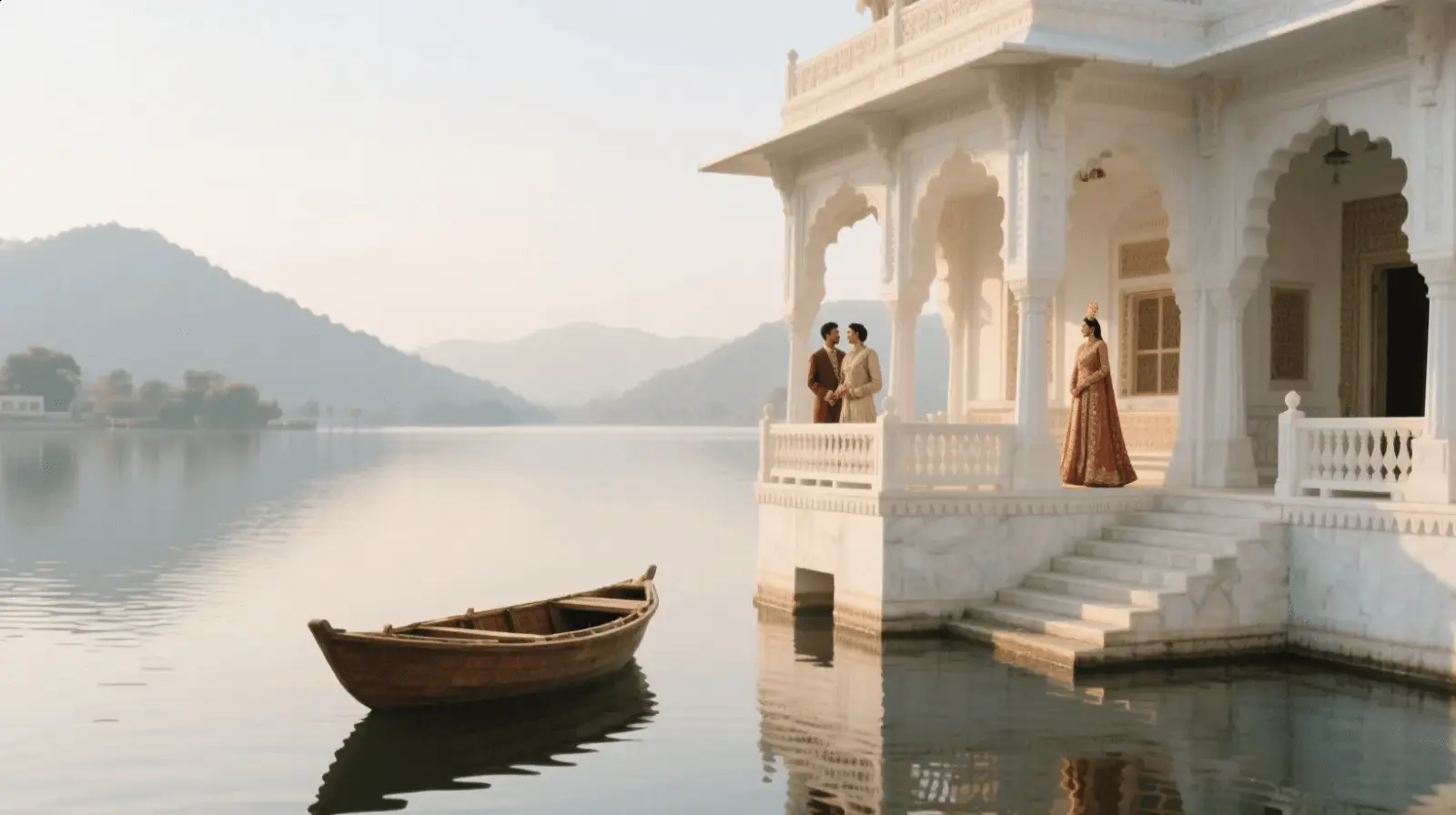
Indian palace hotels represent more than luxury accommodations; they are living museums preserving royal heritage through experiential regal travel. As cultural tourism in India continues growing, these properties offer model examples of how historical architecture can be adaptively reused while maintaining authenticity. For travelers seeking meaningful connections with India's past, nothing compares to spending a night in a centuries-old palace, where every stone tells a story and every service reflects royal traditions.
The Taj Lake Palace's floating dinners, Rambagh Palace's polo lessons, and Umaid Bhawan's vintage car collection offer particularly immersive regal travel experiences.
By employing local artisans, promoting regional crafts, and preserving traditional performing arts, Indian palace hotels sustain cultural ecosystems while driving cultural tourism in India.
Several heritage properties offer daytime visitor programs, allowing budget travelers to enjoy palace tours and cultural performances without overnight stays.
The historical architecture varies regionally, from Rajasthan's Rajputana forts to Hyderabad's Indo-Saracenic palaces and Kerala's traditional tharavadu mansions.
Choosing certified heritage properties, participating in cultural programs, and respecting preservation guidelines all contribute to sustaining royal heritage through responsible regal travel.
Sharma
|
2025.06.30


