

 Feed back
 Privacy Policy
In a world where modernity often overshadows history, few destinations offer the profound connection to the past that Peru does. With its breathtaking landscapes and ancient ruins, the Sacred Valley stands as a living testament to the grandeur of the Inca civilization—a society that once ruled vast swathes of the Andes with unmatched sophistication and spiritual depth. For those seeking more than just a holiday—those yearning for an immersive journey into the heart of pre-Columbian culture—Peruvian cultural tourism provides a rare opportunity to walk among the remnants of a lost empire while engaging with the descendants who keep its legacy alive.
This article invites you to explore the Sacred Valley not merely as a tourist destination, but as a gateway into the mysteries of Andean archaeology and the enduring influence of historical expeditions that have uncovered its secrets over centuries. Whether you are drawn by the allure of Machu Picchu or the lesser-known but equally fascinating ruins scattered throughout the region, this guide will help you navigate the rich tapestry of Peru's ancient world.
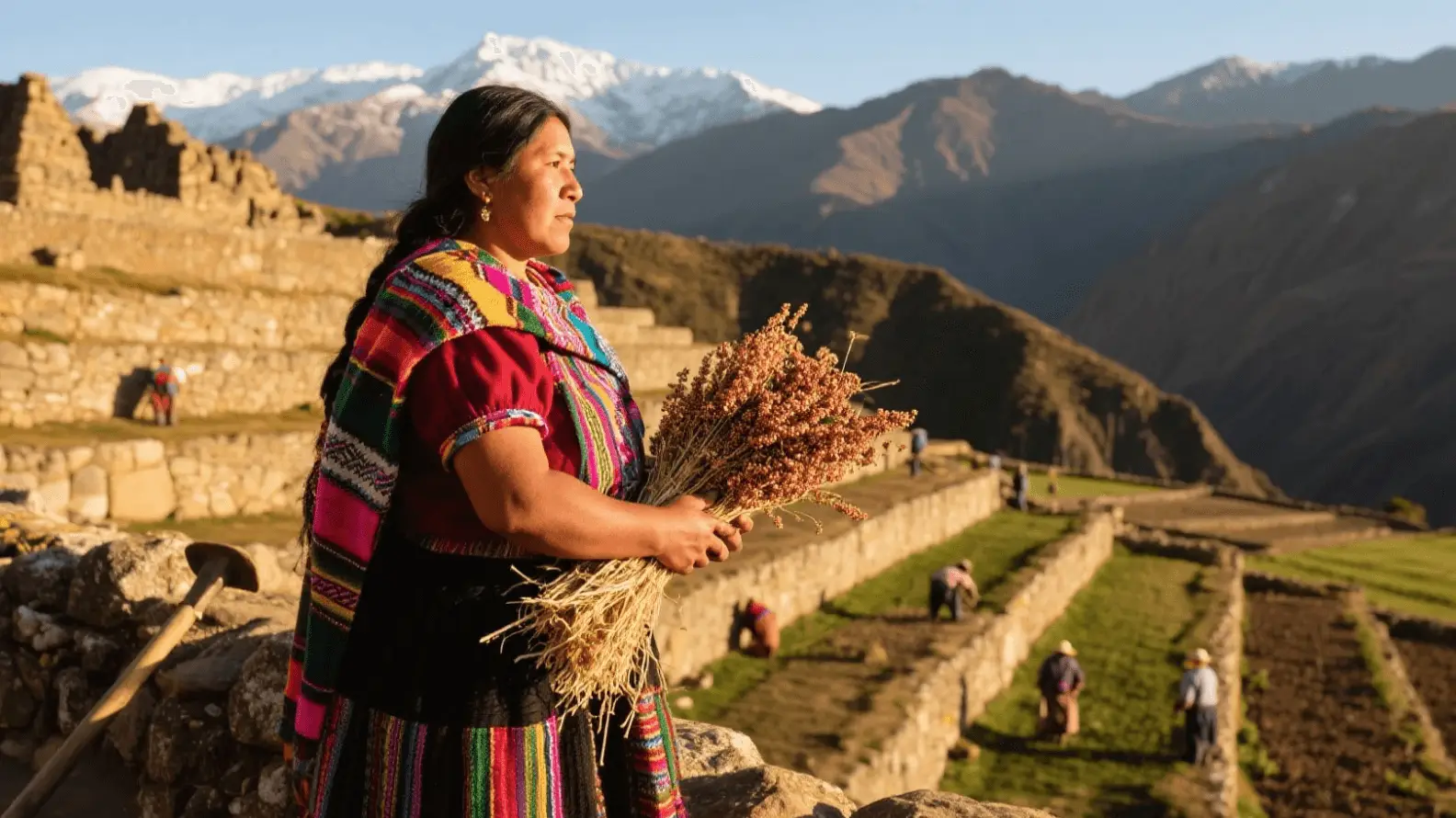
Nestled between the snow-capped peaks of the Andes and the lush Amazon basin, the Sacred Valley—or Valle Sagrado—was the agricultural and ceremonial heartland of the Inca Empire. Stretching from Pisac in the south to Ollantaytambo in the north, this fertile valley was chosen not only for its temperate climate and abundant water sources but also for its spiritual significance. The Incas believed that the Urubamba River, which flows through the valley, was a sacred manifestation of the Milky Way, linking earthly life with celestial divinity.
The region's importance is underscored by the concentration of archaeological sites found here, each revealing unique aspects of Inca urban planning, irrigation systems, and religious practices. From the terraced farms of Moray to the fortress-temples of Ollantaytambo, these structures reflect a deep understanding of astronomy, engineering, and environmental harmony—an embodiment of the Inca worldview that saw nature and spirituality as inseparable.
Today, the Sacred Valley remains a vital hub for Peruvian cultural tourism, attracting scholars, historians, and curious travelers alike. Local communities continue to celebrate traditional festivals such as Inti Raymi (Festival of the Sun), offering visitors a rare glimpse into the rituals that once defined the Inca calendar.
The rediscovery of the Sacred Valley and its ruins did not happen overnight. Rather, it was the result of decades of dedicated historical expeditions, many of which were driven by both academic curiosity and imperial ambition. Among the most influential was the work of Hiram Bingham, whose 1911 expedition led to the "discovery" of Machu Picchu—though local farmers had long known of its existence.
Bingham's findings, published in National Geographic and later compiled into books, brought global attention to the Inca civilization and sparked renewed interest in Andean archaeology. His work laid the foundation for subsequent explorations, including those by Julio César Tello Rojas, the father of Peruvian archaeology, who sought to uncover the indigenous roots of Andean cultures beyond the Inca period.
More recent expeditions, equipped with advanced technologies like LiDAR scanning and DNA analysis, have further expanded our understanding of the region. These efforts have revealed hidden structures beneath dense jungle canopies, identified burial sites with intact artifacts, and even traced genetic links between modern Quechua-speaking populations and their Inca ancestors.
These historical journeys, both old and new, continue to shape how we interpret the Sacred Valley—not just as a geographical space, but as a repository of human achievement, resilience, and memory.
No discussion of the Sacred Valley would be complete without mentioning Machu Picchu, the iconic citadel perched high in the Andes. Often referred to as the "Lost City of the Incas," Machu Picchu is a UNESCO World Heritage Site and one of the New Seven Wonders of the World. Its construction dates back to the mid-15th century during the reign of Emperor Pachacuti, and its purpose remains a subject of scholarly debate—ranging from a royal estate to a religious sanctuary.
What makes Machu Picchu truly remarkable is its architectural precision and integration with the natural landscape. The dry-stone construction technique used to build its walls ensured stability on the steep mountain slopes, while its alignment with astronomical events suggests a sophisticated understanding of celestial cycles. Visitors today can traverse the Temple of the Sun, climb the Huayna Picchu peak for panoramic views, or simply absorb the serene beauty of the cloud forest that envelops the site.
Despite the influx of tourists, efforts to preserve Machu Picchu remain ongoing. Strict visitor quotas, guided tours, and conservation programs aim to protect this fragile monument from the wear and tear of modern foot traffic, ensuring that future generations can experience its majesty.
While Machu Picchu may be the most famous, the Sacred Valley and surrounding regions are dotted with other significant ruins that offer equally compelling insights into the Inca civilization.
Pisac, located approximately an hour's drive from Cusco, features a sprawling complex of temples, residential quarters, and intricate agricultural terraces carved into the mountainside. Its cemetery, filled with mummies and burial offerings, offers a poignant reminder of the spiritual beliefs that governed Inca life.
Ollantaytambo, another major site, served as both a fortress and a ceremonial center. Its massive stone blocks, some weighing over 50 tons, were transported from quarries several kilometers away—a feat that continues to baffle engineers and archaeologists alike.
Further afield, the ruins of Choquequirao, often called the "sister city" of Machu Picchu, require a multi-day trek to reach but reward hikers with breathtaking vistas and fewer crowds. Meanwhile, the mysterious ruins of Sacsayhuamán near Cusco reveal the Incas' mastery of megalithic architecture, with stones so precisely cut that they fit together without mortar.
Each of these sites contributes to the broader narrative of the Inca civilization, showcasing their ingenuity, adaptability, and reverence for the land.
Cultural tourism in Peru has evolved beyond mere sightseeing. Today, travelers have the opportunity to engage deeply with the living traditions of the Andean people. Homestays with local families allow visitors to experience daily life in rural communities, participate in weaving workshops, and learn about ancestral farming techniques passed down through generations.
Many tour operators now offer ethically responsible travel experiences that emphasize respect for indigenous customs and environments. Whether attending a traditional Qhapaq Ñan ceremony, learning to cook Andean dishes using native ingredients, or joining a pilgrimage to Ausangate Mountain—a sacred Apu (mountain spirit) for the Quechua people—travelers can forge meaningful connections that transcend the typical tourist experience.
Such interactions not only enrich the traveler's understanding of Peruvian heritage but also provide economic benefits to local communities, fostering sustainable development and cultural preservation.
With increasing global interest in the Sacred Valley and its ruins, the challenge lies in balancing tourism with conservation. Overcrowding, environmental degradation, and commercialization threaten the integrity of these ancient sites. However, initiatives led by both governmental agencies and grassroots organizations are striving to address these issues.
For instance, the Ministry of Culture of Peru has implemented strict regulations governing access to sensitive areas, requiring permits and limiting group sizes. Additionally, community-based tourism projects empower locals to manage and benefit directly from tourism, reducing dependency on external operators and promoting authentic cultural exchanges.
Archaeological research also plays a crucial role in preservation. Institutions like the Pontifical Catholic University of Peru and international collaborations with universities in Europe and North America are conducting studies to better understand the materials and methods used in Inca construction, aiding in restoration efforts.
Through informed travel choices and support for ethical tourism models, visitors can become stewards of Peru's rich cultural heritage rather than contributors to its erosion.
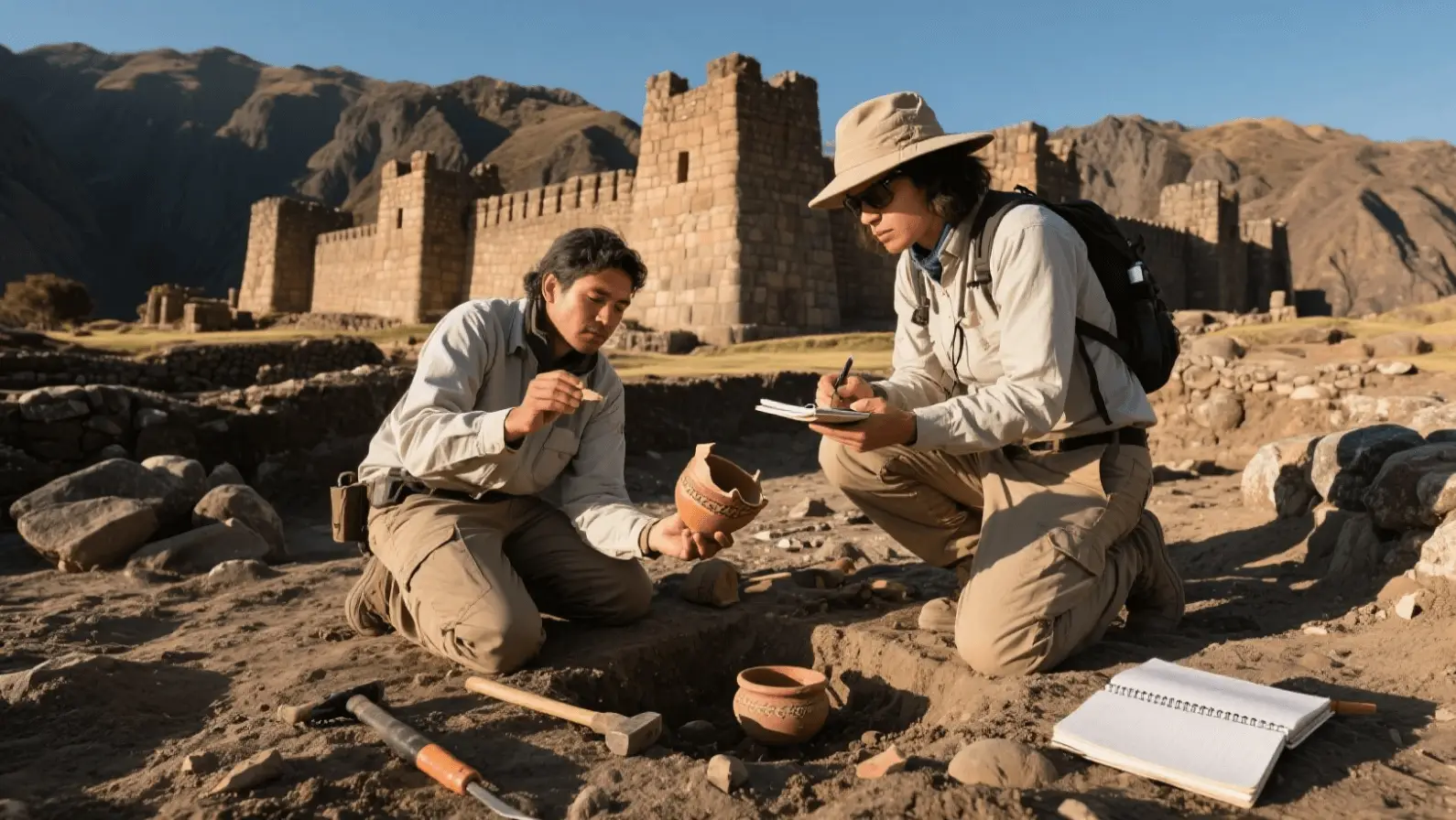
Embarking on a journey through the Sacred Valley requires careful planning, especially given the altitude, variable weather conditions, and logistical considerations involved. Here are some essential tips to ensure a smooth and rewarding trip:
- Acclimatize First: Spend at least two days in Cusco (elevation ~3,400 meters) before venturing into higher-altitude sites to avoid altitude sickness.
- Purchase Entry Tickets in Advance: Many ruins require separate entrance fees, and online booking is available for popular sites like Machu Picchu and Saqsaywaman.
- Hire a Licensed Guide: While self-guided tours are possible, hiring a knowledgeable guide enhances your understanding of the historical and cultural context of each site.
- Pack Appropriately: Bring layers for fluctuating temperatures, comfortable hiking shoes, sunscreen, and plenty of water.
- Respect Local Customs: Dress modestly when visiting religious or community sites, ask permission before taking photos of locals, and refrain from touching ancient structures unless permitted.
By following these guidelines, travelers can enjoy a respectful and memorable immersion into the world of the Incas.
Depending on the time you have available, several itinerary options cater to different interests and levels of adventure:
Option 1: Short Stay (5 Days / 4 Nights)
- Day 1: Arrival in Cusco, acclimatization
- Day 2: Explore the Sacred Valley – Pisac and Ollantaytambo
- Day 3: Full-day visit to Machu Picchu via train
- Day 4: Return to Cusco, visit Sacsayhuamán and Qorikancha
- Day 5: Departure
Option 2: Moderate Adventure (8 Days / 7 Nights)
- Includes all of Option 1 plus a trek to Choquequirao or the Lares Trek
- Additional visits to lesser-known ruins such as Raqchi or Tipón
Option 3: Immersive Cultural Journey (10+ Days / 9+ Nights)
- Focus on homestays, local markets, and participation in indigenous ceremonies
- Extended treks to remote archaeological sites
- Optional side trips to Lake Titicaca or the Amazon rainforest
Each itinerary allows for varying degrees of exploration, reflection, and engagement with Peru's rich pre-Columbian legacy.
Martinez
|
2025.06.30


