

 Feed back
 Privacy Policy
In an era where mass tourism threatens fragile ecosystems and indigenous cultures, Paraguay emerges as a leader in sustainable travel experiences. This landlocked South American nation offers unique opportunities for rural ecotourism Paraguay, blending environmental conservation with cultural preservation through Jesuit ruins tours and Indigenous culture travel.
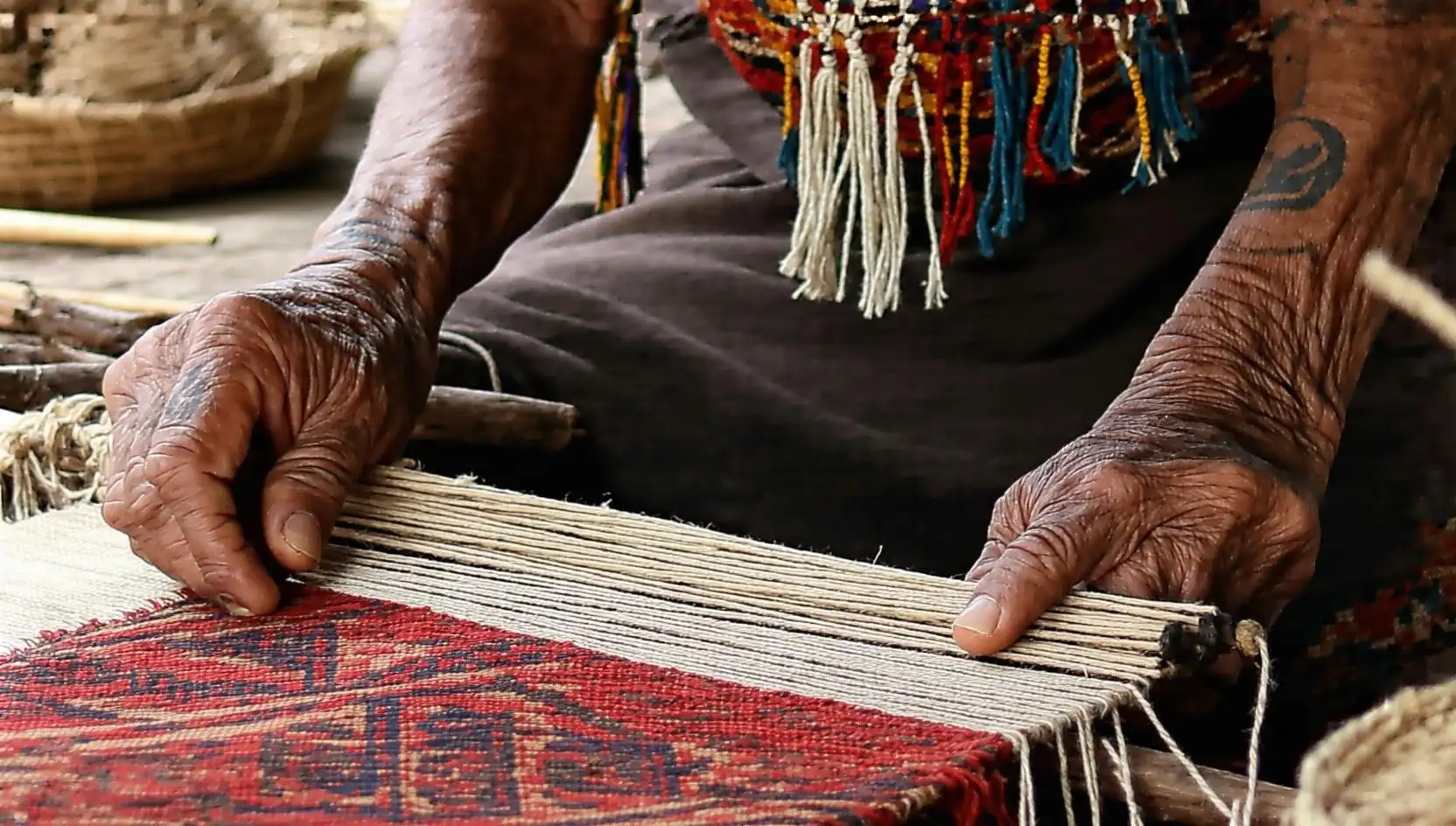
Unlike conventional tourism models, rural ecotourism Paraguay creates symbiotic relationships between visitors and local communities. The Gran Chaco region demonstrates this perfectly, where community-led eco-lodges employ traditional building techniques while offering modern comforts. These initiatives not only preserve Paraguay's biodiversity but also provide alternative livelihoods that prevent urban migration.
The Reserva Natural Privada Yacutinga exemplifies how Sustainable Paraguay initiatives create ripple effects. Solar-powered accommodations reduce environmental impact while local guides gain stable incomes. Visitors participate in bird conservation programs, directly contributing to protection efforts for endangered species like the jaguar, creating a model where tourism dollars fund preservation.
The UNESCO World Heritage Sites of Ruinas de Jesús and San Ignacio Miní offer more than historical exploration. Jesuit ruins tours have become catalysts for regional development, with 78% of tour operators being local residents. These immersive experiences blend archaeology with living traditions, as Guarani descendants share ancestral stories that bring stone ruins to life.
Artisan cooperatives near Jesuit sites report 35% income growth since 2018, proving how Indigenous culture travel complements historical tourism. Visitors purchase authentic handicrafts, from carved wooden figures to traditional yerba mate gourds, ensuring tourism revenue circulates within communities while preserving cultural heritage.
The Tekoha Guaraní initiative redefines cultural tourism through its community-first approach. Unlike exploitative "ethno-tourism," this program requires tribal council approval for all visits, with 60% of fees directly funding village schools and clinics. Visitors participate in daily activities - from preparing chipá bread to learning medicinal plant uses - creating exchanges that respect cultural boundaries.
The Casa del Indígena showcases how Indigenous culture travel empowers women. This cultural center and guesthouse, entirely operated by Guarani women, combines sustainable agriculture training with authentic tourism experiences. Such projects demonstrate how Sustainable Paraguay principles translate into gender equity and intergenerational knowledge transfer.
The Plan Nacional de Turismo Sostenible (2019) established measurable targets for carbon reduction and community benefits. This policy framework contributed to a 42% increase in eco-certified accommodations by 2023. Cross-border initiatives like Eco Ruta de las Misiones amplify Paraguay's sustainable tourism message while creating regional economic synergies.
Recent data reveals compelling outcomes: 28% higher visitor satisfaction in rural destinations compared to urban areas, and 60% of participants in Indigenous culture travel reporting changed perspectives on environmental stewardship. These metrics validate Paraguay's unique approach to balancing tourism growth with cultural preservation.
Infrastructure limitations in remote areas remain hurdles for rural ecotourism Paraguay. Innovative solutions like solar-powered community centers and mobile booking platforms demonstrate how technology can bridge gaps without compromising authenticity. Vocational training programs address skills shortages, ensuring local communities fully benefit from tourism's potential.
With global demand for regenerative travel growing 15% annually, Paraguay's commitment to Sustainable Paraguay principles positions it as a Latin American leader. Future success hinges on strengthening land rights protections while scaling community-owned tourism models that preserve both nature and culture.
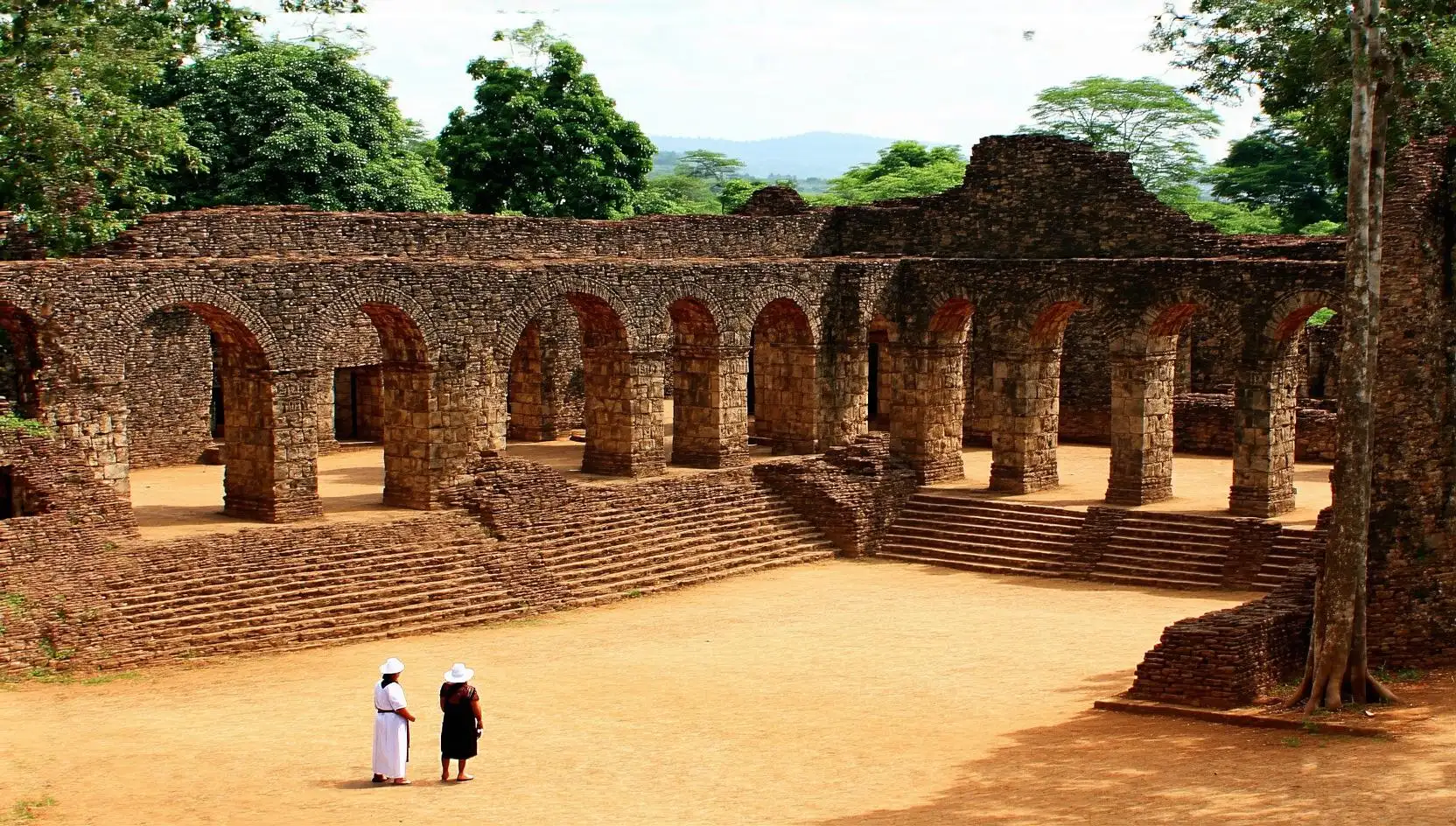
Paraguay's integration of rural ecotourism, Jesuit ruins tours, and Indigenous culture travel offers a blueprint for sustainable development. By prioritizing community ownership, environmental stewardship, and cultural authenticity, Paraguay demonstrates how tourism can become a force for preservation rather than exploitation. This approach invites travelers to engage deeply while leaving positive impacts that endure beyond their visits.
Fernandes
|
2025.06.30


