

 Feed back
 Privacy Policy
In the heart of South America lies a land that carries the wisdom and faith of millennia - Peru. As the cradle of Inca civilization, this highland nurtured one of the world's most brilliant ancient empires. Today, with growing global interest in cultural deep-dive travel, more explorers are embarking on a journey through Peru's mountains to rediscover lost memories and living traditions. This isn't just another South America travel experience, but a profound cultural exploration of Inca roots and Andean heritage.
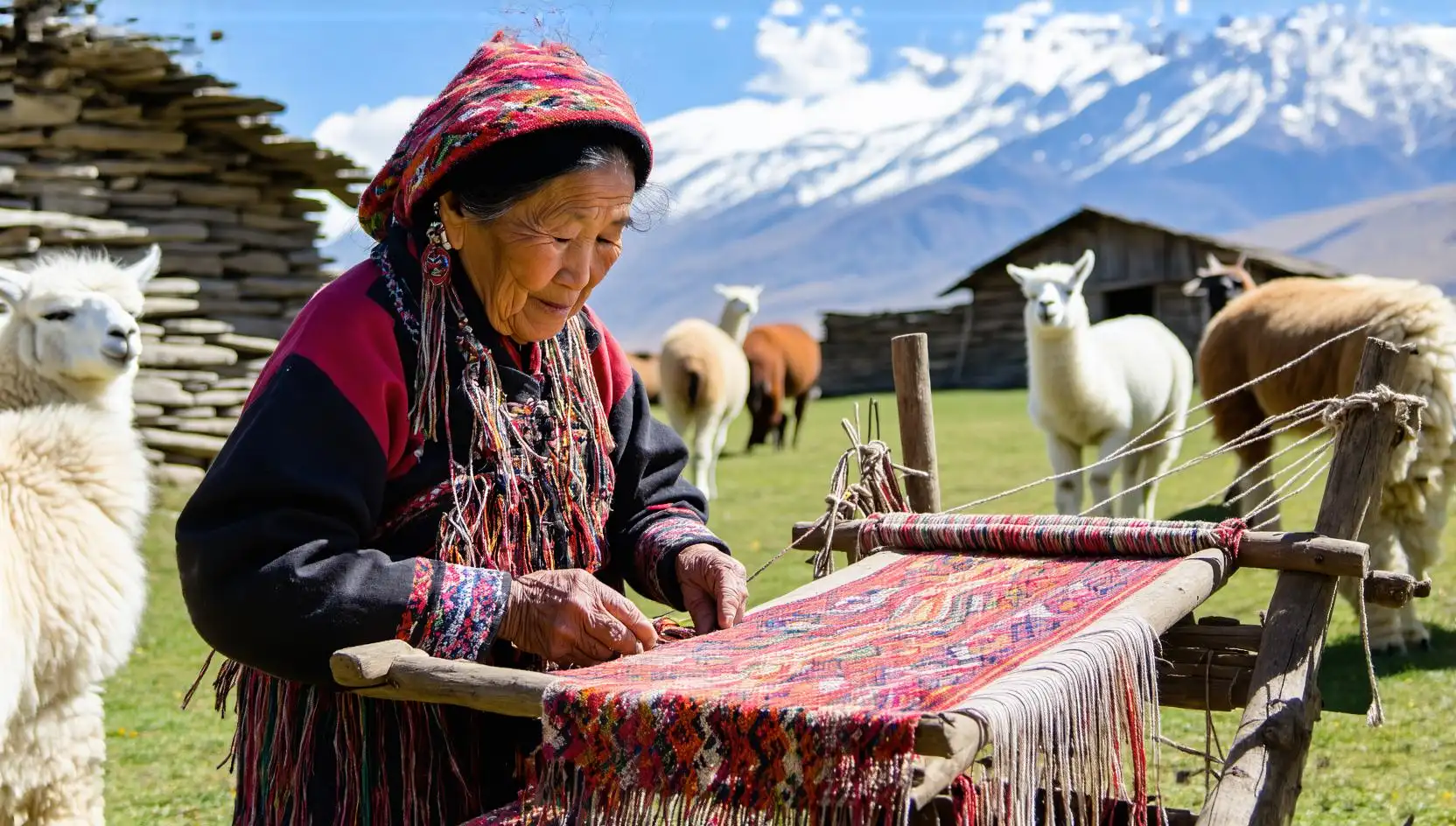
In this comprehensive guide, we'll take you through the essence of Peru tourism, from archaeological sites of the Inca civilization to contemporary indigenous culture, from highland cities to mysterious ruins, analyzing how Peru attracts global travelers with its unique historical resources while maintaining sustainable development.
The Inca civilization once ruled a vast empire spanning modern-day Peru, Ecuador, Bolivia, Chile and northern Argentina, with political, agricultural and architectural achievements that still astonish today. Without a writing system, the Incas managed their empire through the knotted-string recording method "Quipu", a complex administrative system that remains partially undeciphered.
UNESCO data reveals over 1,000 Inca archaeological sites exist in Peru, with Machu Picchu being the most famous. This "Lost City of the Incas" hidden in clouds attracts over 1.5 million pilgrims annually, making it the crown jewel of Peru tourism.
Beyond Machu Picchu, sites like Sacsayhuamán near Cusco, Ollantaytambo, and numerous ruins along the Inca Trail form a complete cultural network. These aren't just architectural marvels but embodiments of Inca religious beliefs, astronomical knowledge and agricultural wisdom.
Sacsayhuamán's massive stone walls feature precisely fitted multi-ton blocks without mortar. Archaeologists suggest this earthquake-resistant construction symbolizes the Inca society's high level of organization, showcasing why these archaeological sites continue to fascinate researchers and tourists alike.
| Site | 2010 Visitors | 2018 Visitors | 2023 Visitors |
|---|---|---|---|
| Machu Picchu | 734,000 | 1,400,000 | 1,520,000 |
| Sacsayhuamán | 220,000 | 410,000 | 480,000 |
| Ollantaytambo | 100,000 | 280,000 | 330,000 |
These numbers reflect not just popularity but also the challenges and efforts in heritage conservation and visitor management within Peru tourism.
Despite Spanish colonial attempts to erase Inca culture, Andean indigenous communities preserved their language, beliefs and lifestyle. In southern highland regions like Cusco, Puno and Apurímac, many still speak Quechua or Aymara while maintaining ancestral farming practices and festivals.
During celebrations, traditional clothing, ancient dances and ancestral songs serve as cultural expressions and community bonds. The Inti Raymi Sun Festival every June recreates the Inca's most important religious ceremony, drawing thousands of participants and spectators, offering authentic insights into indigenous culture for South America travel enthusiasts.
Recent years saw Peru's government and NGOs promoting community tourism models where visitors live with locals, learn weaving, cook traditional dishes or participate in rituals. This provides income for villagers while offering deep cultural immersion.
In Carhuazillo near Huaraz, travelers stay with families, learn natural dye techniques and understand the Andean cosmovision of Pachamama (Mother Earth). Many visitors describe this experience as "the real Peru," highlighting how indigenous culture forms the soul of meaningful Peru tourism.
In the South America travel landscape, Peru stands out with rich historical sites, diverse landscapes and profound culture. Whether adventure seekers, history buffs or cultural explorers, everyone finds their perfect journey here.
A classic cultural itinerary includes:
Budget travelers can use public transport and hostels for self-guided exploration, while luxury seekers enjoy customized experiences aboard the Andean Explorer train or boutique hotels. Improved infrastructure including expanded airports and multilingual guides makes Peru tourism accessible for all.
MINCETUR's 2023 report shows Peru welcomed 4.9 million international visitors, an 18% increase. The "Peru Brand" strategy and balanced approach to heritage conservation and ecotourism drove this growth. However, popular archaeological sites like Machu Picchu face overtourism risks.
Measures include daily visitor limits, alternative routes like the Llarapata Trail, and enhanced guide training for sustainable Peru tourism development that preserves these invaluable cultural assets for future South America travel experiences.
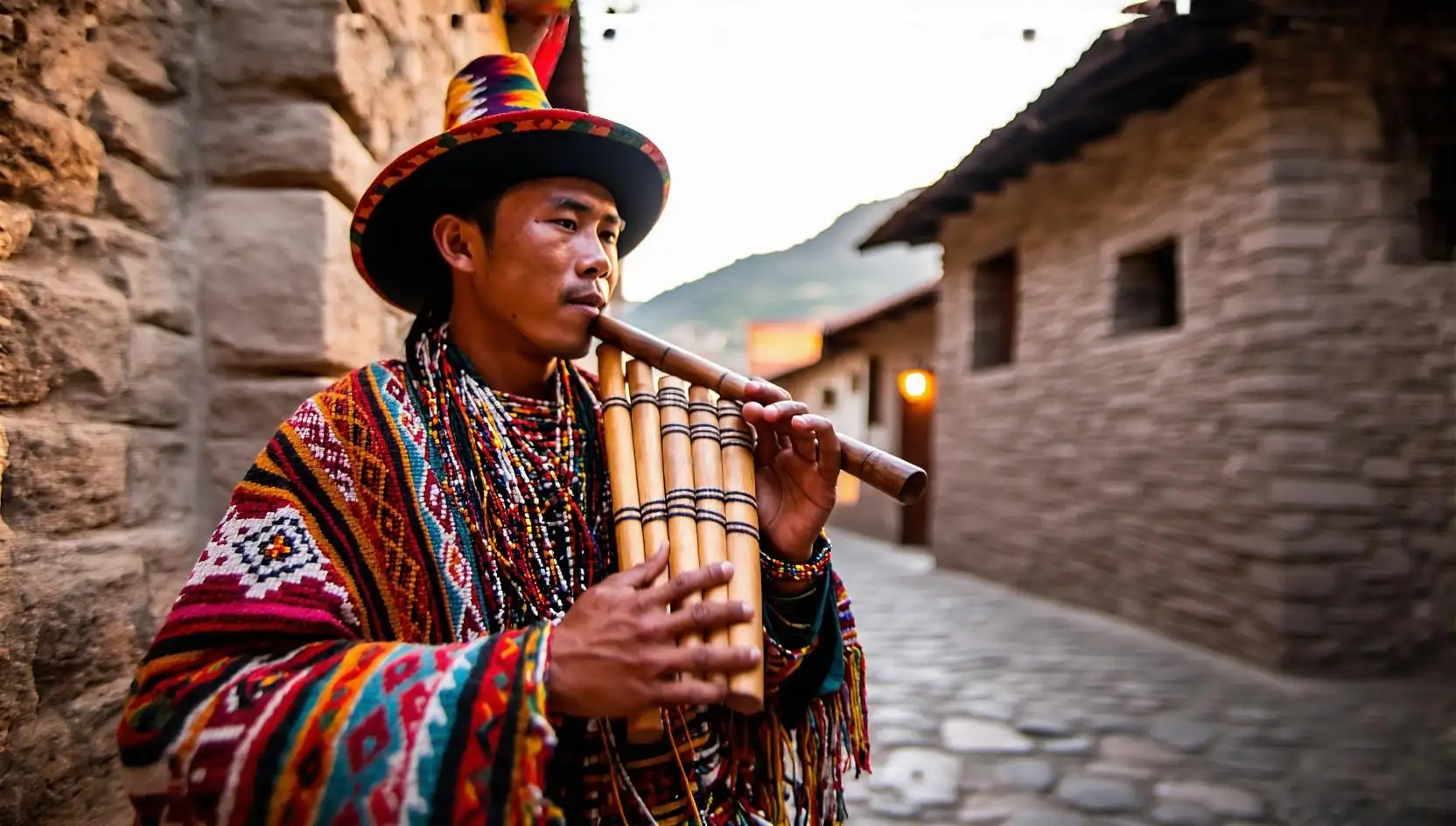
VR tours, AR exhibits and digital museums are emerging trends. Machu Picchu Museum's 3D scans allow virtual exploration for those unable to visit these archaeological sites physically, expanding Peru tourism's reach.
Joint research with Japanese, German and Italian institutions advances Inca studies, while UNESCO provides conservation support. Youth are reconnecting with heritage through music, art and social media - young Quechua artists blending traditional melodies with electronic music exemplify this cultural revival.
This renaissance shows Peru tourism isn't just economic activity but identity reaffirmation, ensuring the Inca civilization and indigenous culture remain vibrant for generations of South America travel enthusiasts to discover and cherish.
Martínez
|
2025.07.01


