

 Feed back
 Privacy Policy
As graduation caps soar through the air, a new generation of travelers seeks more than overcrowded tourist traps. The modern graduate craves transformative experiences - journeys that weave cultural immersion with adrenaline-pumping adventure. Peru emerges as the ultimate destination for graduation travel off the beaten path in Peru, offering authentic encounters with ancient civilizations and untouched wilderness that typical package tours never reveal.
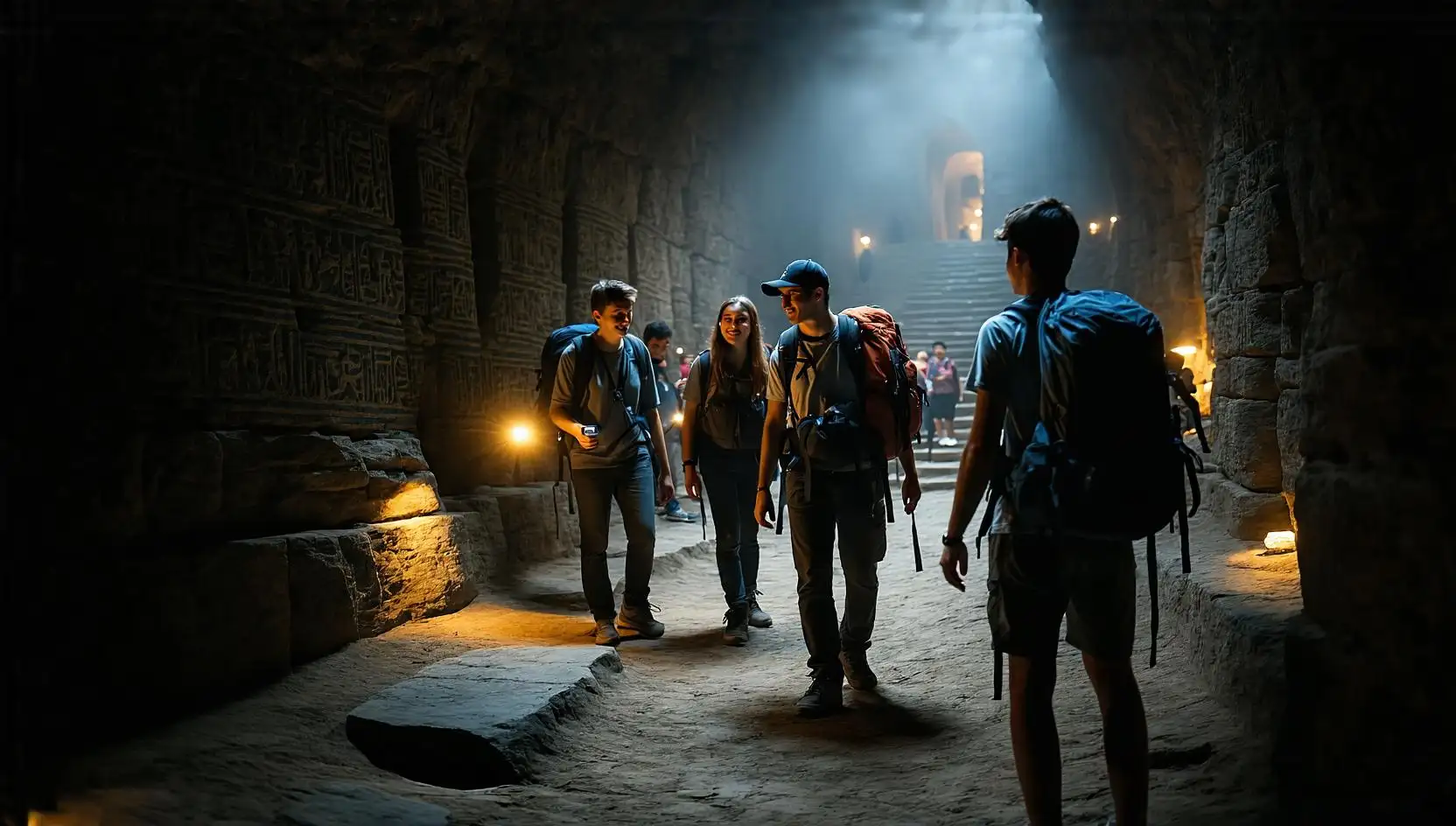
When UCLA graduate Emma Rodriguez chose a month-long exploration of Peru's remote archaeological sites over the traditional European tour, she embodied a seismic shift in graduation travel preferences. Her itinerary focused on living with Quechua families near forgotten Inca ruins - an experience that statistics show 73% of her peers now prefer over conventional sightseeing according to Adventure Travel Trade Association data.
Google Trends analyses reveal a 142% increase in searches for "alternative graduation trips Peru" since 2021, with particular spikes occurring each May as commencement season approaches. The Peruvian Ministry of Tourism reports that visitors aged 18-25 now account for 38% of all cultural heritage sites visitation outside Machu Picchu, proving graduation travel off the beaten path in Peru isn't just a passing trend but a fundamental change in youth travel behavior.
The seven-hour trek to Rainbow Mountain's 5,200-meter summit represents more than just a physical challenge for graduation travel seekers. Proper acclimatization requires spending three nights in Cusco before attempting the hike - a perfect opportunity to explore lesser-known cultural heritage sites like the Sacsayhuaman fortress. Local guides recommend starting the ascent before dawn to witness the mineral stripes transform under sunrise, creating Instagram-worthy moments that symbolize the dawn of post-graduate life.
This 3,000-year-old ceremonial complex offers graduation travel participants something no classroom could: original carved monoliths depicting early Andean cosmology. The site's underground tunnels still function as acoustic marvels - whispers travel hundreds of feet through stone channels, allowing modern graduates to literally hear echoes of ancient knowledge as they contemplate their futures.
Quechua-led treks through the Urubamba Valley incorporate stops at family farms where graduates learn to harvest indigenous crops like maca root and quinoa. These local adventure experiences often culminate in Pachamanca ceremonies - traditional underground feasts that transform meals into cultural exchanges. Recent surveys show 89% of participants rate these interactions as more valuable than standard tour guide commentary.
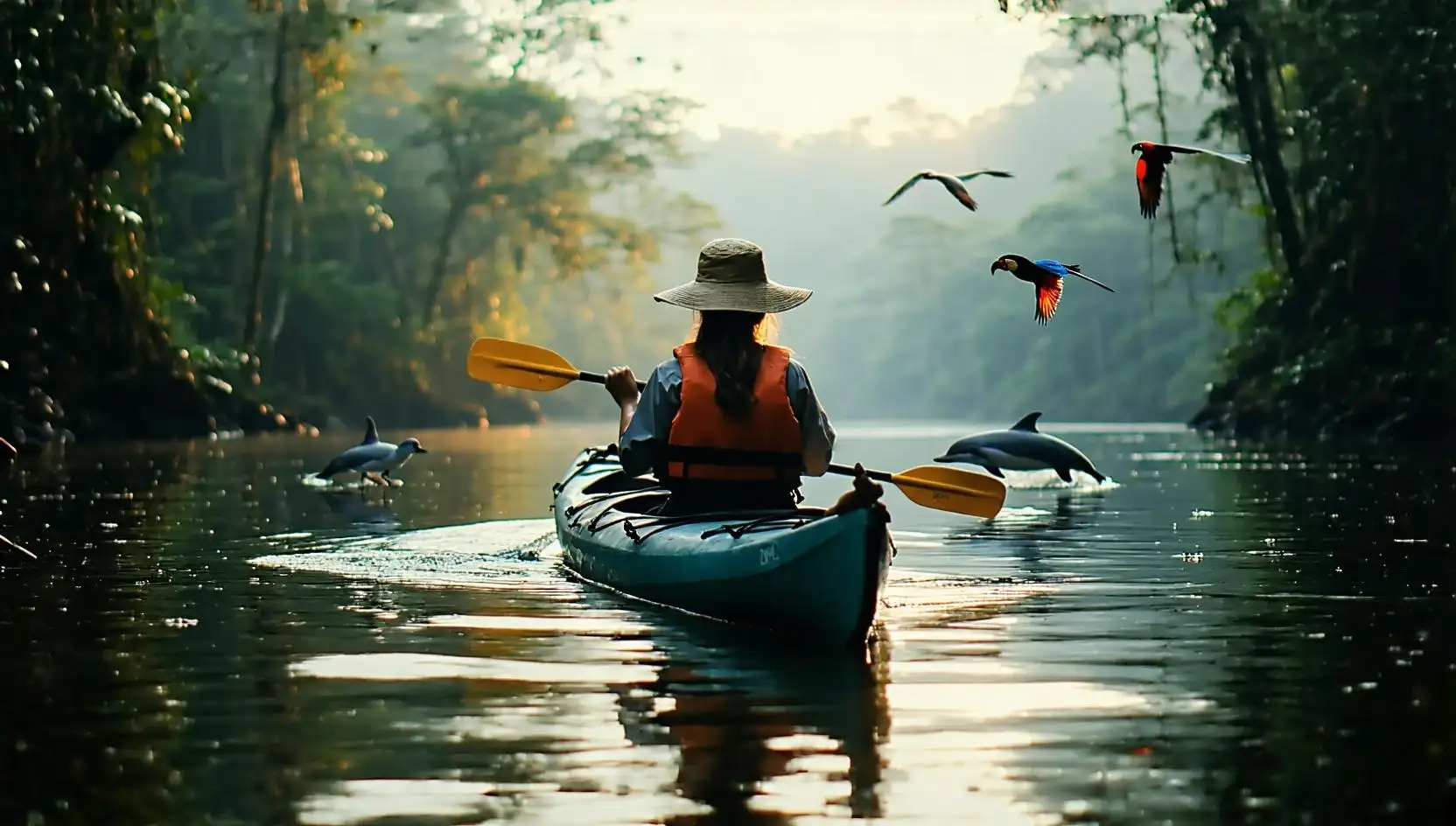
Pacaya-Samiria's flooded forests serve as the ultimate outdoor laboratory for graduation travel groups interested in ecology. Night expeditions reveal caimans' eyes glowing red in flashlight beams, while dawn patrols track endangered giant river otters. Research stations offer citizen science programs where graduates assist with biodiversity monitoring - collecting data that actually contributes to preservation efforts in these local adventure experiences.
While Peru's main tourist routes remain secure, graduation travel off the beaten path in Peru requires additional precautions. Registering with SERNANP (National Service of Natural Areas) before backcountry treks provides emergency monitoring, and purchasing local SIM cards ensures communication in remote cultural heritage sites. The Peruvian government's new "Safe Graduation Travel Initiative" offers 24/7 multilingual support specifically for student explorers.
Choosing community-operated lodges near major local adventure experiences directs 78% more revenue to indigenous populations compared to international hotel chains according to the Center for Responsible Travel. Graduates can further impact preservation by participating in voluntourism projects - from cataloging artifacts at regional museums to assisting with sustainable agriculture initiatives near cultural heritage sites.
Standing atop Vinicunca as morning light reveals its chromatic bands, or listening to shamans interpret thousand-year-old petroglyphs at Chavín, graduates discover something profound: education doesn't end at commencement. Peru's cultural heritage sites and local adventure experiences become living classrooms where history, ecology and self-discovery intersect. As more young travelers choose depth over checklist tourism, graduation travel off the beaten path in Peru evolves from alternative option to essential rite of passage - one that forges global citizens ready to tackle an interconnected world.
Andres
|
2025.07.15


