

 Feed back
 Privacy Policy
When exploring South America's rich cultural history, Argentina heritage sites stand out as some of the most diverse and fascinating destinations. From the colonial architecture of Buenos Aires to the ancient ruins of the Andes, this country offers an unparalleled journey through time. Many travelers overlook Argentina's historical treasures in favor of its more famous natural attractions, missing the chance to experience authentic Argentine history through its well-preserved cultural landmarks.
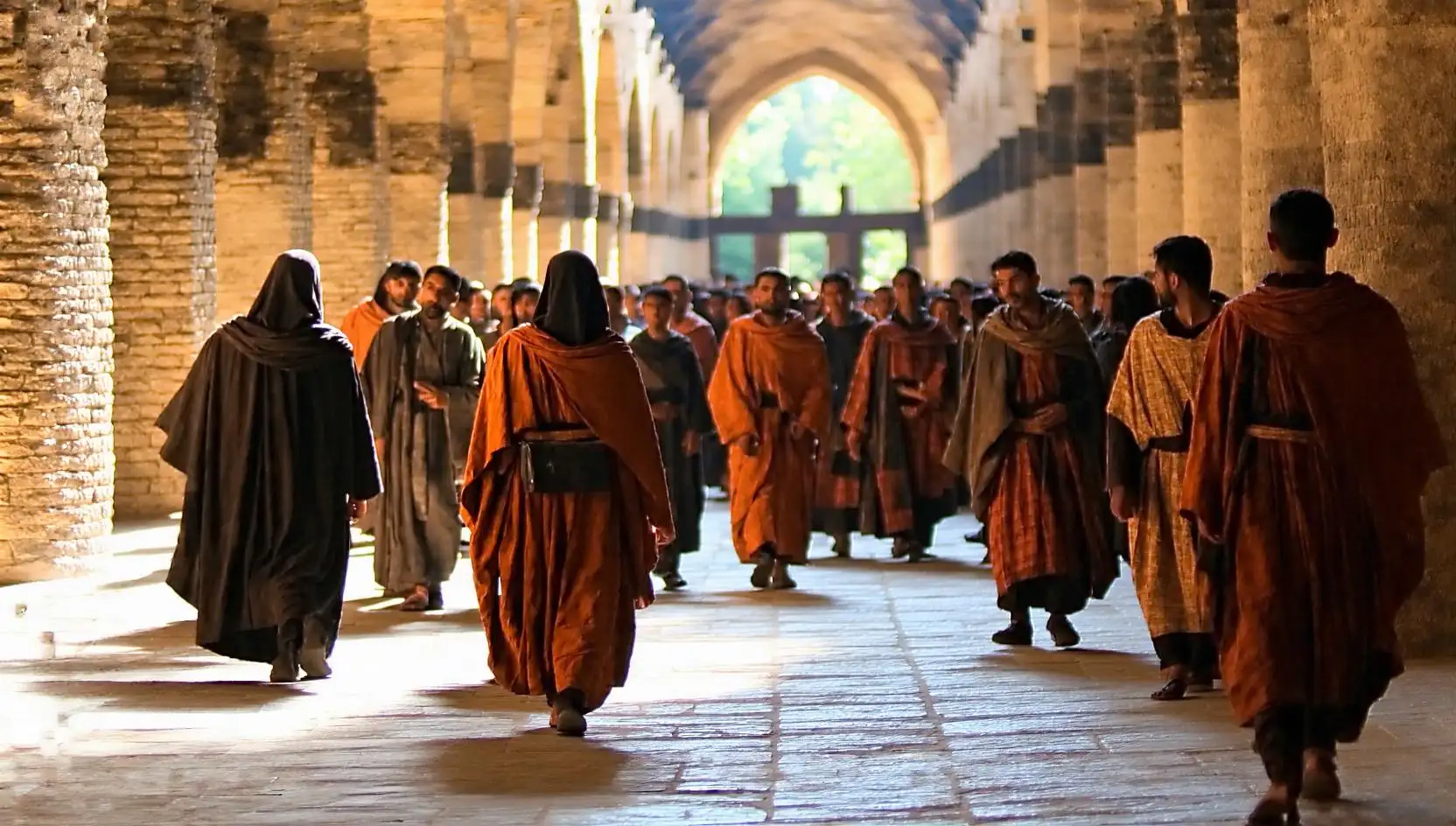
The capital city serves as the perfect introduction to Argentina's colonial past. Walking through San Telmo's cobblestone streets reveals Spanish influences blending with local traditions. The iconic Casa Rosada showcases Argentina heritage sites at their most symbolic, while the Metropolitan Cathedral demonstrates the evolution of colonial architecture over centuries.
Among South America's most impressive cultural landmarks, Buenos Aires offers the Cabildo (colonial town hall) and the Manzana de las Luces historical block. These sites tell the story of how Argentine history developed from Spanish rule to independence.
Beyond its famous vineyards, Mendoza preserves important Argentina heritage sites that reveal the region's Jesuit past. The Jesuit Estancia of Santa Lucía represents an excellent example of colonial architecture adapted to local conditions.
The development of Argentina's wine industry is deeply connected to its colonial history. Many original bodegas (wineries) in Mendoza incorporate traditional Spanish design elements, making them unique cultural landmarks within South America's wine regions.
The northwestern province of Salta offers some of Argentina's most spectacular heritage sites. The Quebrada de Humahuaca, a UNESCO World Heritage Site, combines stunning natural beauty with layers of Argentine history from pre-Columbian times to the present.
In towns like Tilcara and Purmamarca, visitors can see how colonial architecture blended with indigenous building techniques. The Iglesia de Nuestra Señora de la Paz demonstrates this cultural fusion that makes Argentina heritage sites so distinctive within South America.
The province of Jujuy preserves powerful reminders of Argentina's complex past. The Pucará ruins stand as evidence of indigenous resistance, while colonial churches show how native artisans adapted European styles to create a unique form of colonial architecture.
The Jesuit Block in Córdoba represents one of Argentina's most important heritage sites. This UNESCO-listed complex includes the oldest university in the Americas, showcasing how education shaped Argentine history from early colonial times.
The Jesuit Estancias surrounding Córdoba display remarkable colonial architecture that blends European monastic design with local materials. These cultural landmarks offer insight into the economic and religious systems that developed across South America during Spanish rule.
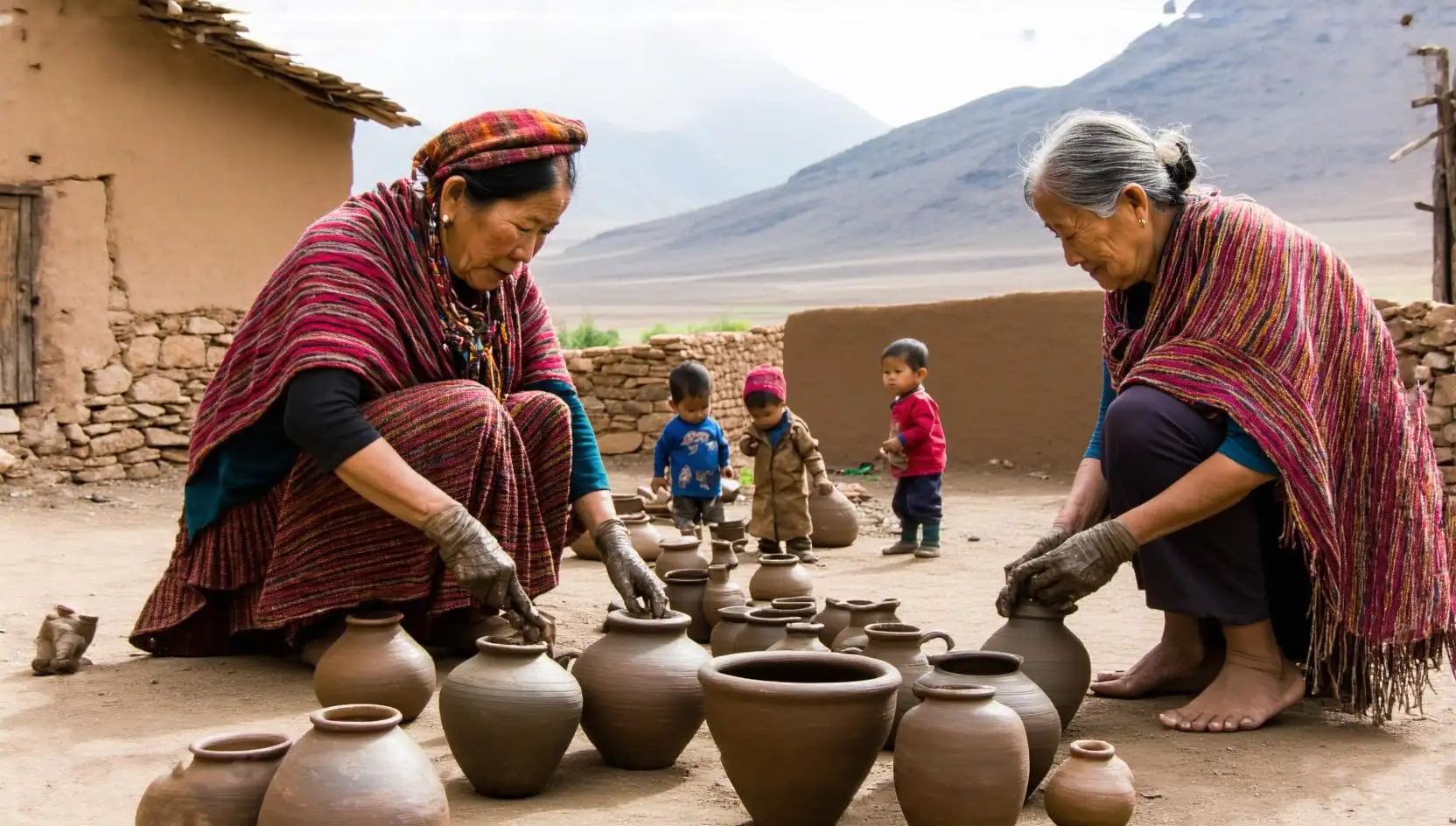
While different from other Argentina heritage sites, Patagonia's Welsh and German settlements add another layer to the country's diverse history. The Welsh chapels of Gaiman and Bavarian-style buildings of Bariloche demonstrate how European immigrants created new cultural landmarks in South America's southern frontier.
From Buenos Aires to the Andes, Argentina heritage sites tell the story of a nation shaped by multiple cultures. Whether through colonial architecture, pre-Columbian ruins, or immigrant settlements, these cultural landmarks provide tangible connections to Argentine history that continue to influence the country's identity within South America.
For history enthusiasts and cultural travelers alike, Argentina offers an unparalleled journey through time. These heritage sites not only showcase the country's past but also help us understand how diverse influences created modern Argentina.
Rodríguez
|
2025.06.30


