

 Feed back
 Privacy Policy
In today's travel landscape, discerning tourists seek more than picturesque views - they crave authentic connections with nature and culture through community tourism. This article examines how India, Indonesia, Myanmar, Sri Lanka, Guatemala and Colombia are pioneering community-based eco-tourism models that protect biodiversity while creating meaningful local participation opportunities and delivering genuine travel experiences.
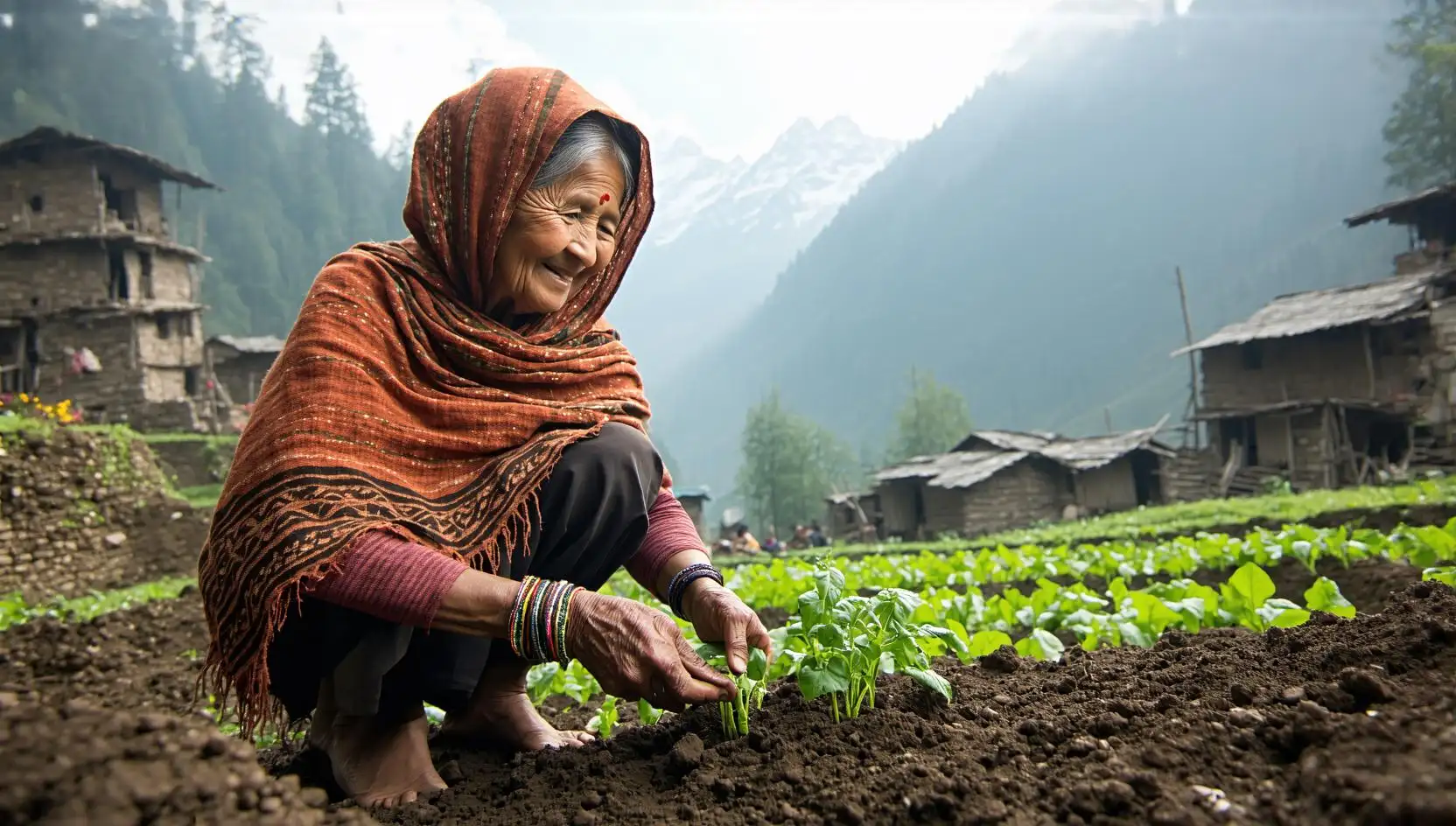
Community-based tourism represents a transformative approach where local populations actively manage and benefit from tourism activities in their regions. This model particularly thrives in biodiversity-rich areas where traditional knowledge systems can enhance conservation efforts while providing authentic experiences for visitors.
According to UNWTO data, community-led tourism initiatives grew by 68% between 2010-2020, with developing nations leading this expansion. The model demonstrates remarkable success in balancing environmental protection with economic development when local participation is genuinely prioritized rather than tokenized.
In Uttarakhand's remote villages, community tourism preserves both fragile ecosystems and cultural heritage through programs like the Eco-Village Trek. Local families host visitors, sharing organic farming techniques and traditional Ayurvedic knowledge while keeping economic benefits within the community.
The Bajo people of Komodo National Park exemplify how indigenous communities can become marine conservation leaders. Their snorkeling tours and educational programs combine scientific rigor with cultural richness, creating unparalleled authentic experiences while protecting coral reefs.
Despite challenges, Inle Lake communities demonstrate tourism's potential in transitional economies. Their homestays and cultural immersion programs offer genuine insights into local life while equitably distributing tourism revenues.
Community-run eco-lodges near Yala National Park transform former hunters into conservation guides, fostering pride in biodiversity protection while providing visitors with authentic wilderness experiences rooted in local knowledge.
At Lake Atitlán, Mayan cooperatives integrate tourism with cultural preservation and reforestation. Visitors participate in weaving circles and spiritual ceremonies, gaining deep understanding while directly supporting community-led conservation.
Community tourism plays vital roles in reconciliation and environmental restoration across Colombia. From the Cocora Valley to Putumayo rainforests, former combatants and displaced persons find new purpose as eco-guides while protecting biodiversity.
Research in Science journal confirms protected areas managed by indigenous communities maintain higher biodiversity levels than government-run reserves. Local knowledge systems enable more effective monitoring and response to environmental changes, as seen in India's Western Ghats and Colombia's Chocó region.
True authenticity emerges from reciprocal relationships rather than staged performances. Successful models like Guatemala's weaving circles or Myanmar's farming participation programs demonstrate how immersive, respectful interactions create lasting value for both visitors and communities.
While promising, community tourism faces obstacles including funding shortages, infrastructure gaps, and competition from commercial operators. Emerging solutions include blockchain for transparent revenue sharing, AI-assisted itinerary planning, and strategic partnerships between governments, NGOs and private sector actors.

The next decade will likely see expanded adoption of community tourism models, particularly in biodiversity hotspots. Success will depend on maintaining authentic local participation while leveraging appropriate technologies and sustainable financing mechanisms.
By choosing community-based eco-tourism in destinations like India, Indonesia, Myanmar, Sri Lanka, Guatemala and Colombia, travelers contribute directly to biodiversity conservation while gaining unparalleled insights into local cultures and ecosystems.
Rajendran
|
2025.06.30


