

 Feed back
 Privacy Policy
In an era where climate change dominates headlines and overtourism has marred once-pristine landscapes, travelers are increasingly seeking alternatives that align with their values. This growing consciousness has given rise to eco-tourism, a form of sustainable travel that not only minimizes environmental impact but also fosters appreciation for cultural heritage and promotes the well-being of local communities. As people become more aware of their footprint, the allure of hidden gems—remote, culturally rich, and environmentally conscious destinations—is stronger than ever.

The global tourism industry, while economically vital, has often come at a steep cost to both the environment and local populations. Overcrowded landmarks, plastic pollution, and habitat destruction have become common side effects of unchecked travel growth. According to the United Nations World Tourism Organization (UNWTO), tourism accounts for nearly 8% of global greenhouse gas emissions. This alarming statistic underscores the urgent need for a paradigm shift—one that places sustainability at the forefront.
India, a land of contrasts and contradictions, offers a wealth of opportunities for those interested in natural exploration and cultural heritage. While the Golden Triangle of Delhi-Agra-Jaipur remains popular, true treasures lie off the beaten path—in the serene backwaters of Kerala, the misty hill stations of Himachal Pradesh, and the tribal heartlands of Odisha and Madhya Pradesh.
One exemplary model is the village of Munnar in Kerala, where eco-lodges blend seamlessly into the surrounding tea plantations. Visitors can hike through the Eravikulam National Park, home to the endangered Nilgiri tahr, while staying in accommodations powered by renewable energy. Similarly, in Spiti Valley, travelers stay with local families, gaining insight into Tibetan Buddhist culture while minimizing their environmental footprint.
With over 17,000 islands, Indonesia is a biodiversity hotspot teeming with life—from orangutans in Sumatra to Komodo dragons in the Lesser Sunda Islands. However, this natural wealth faces constant threats from deforestation, illegal fishing, and coastal development. Enter eco-tourism, which has emerged as a powerful tool for conservation and community upliftment.
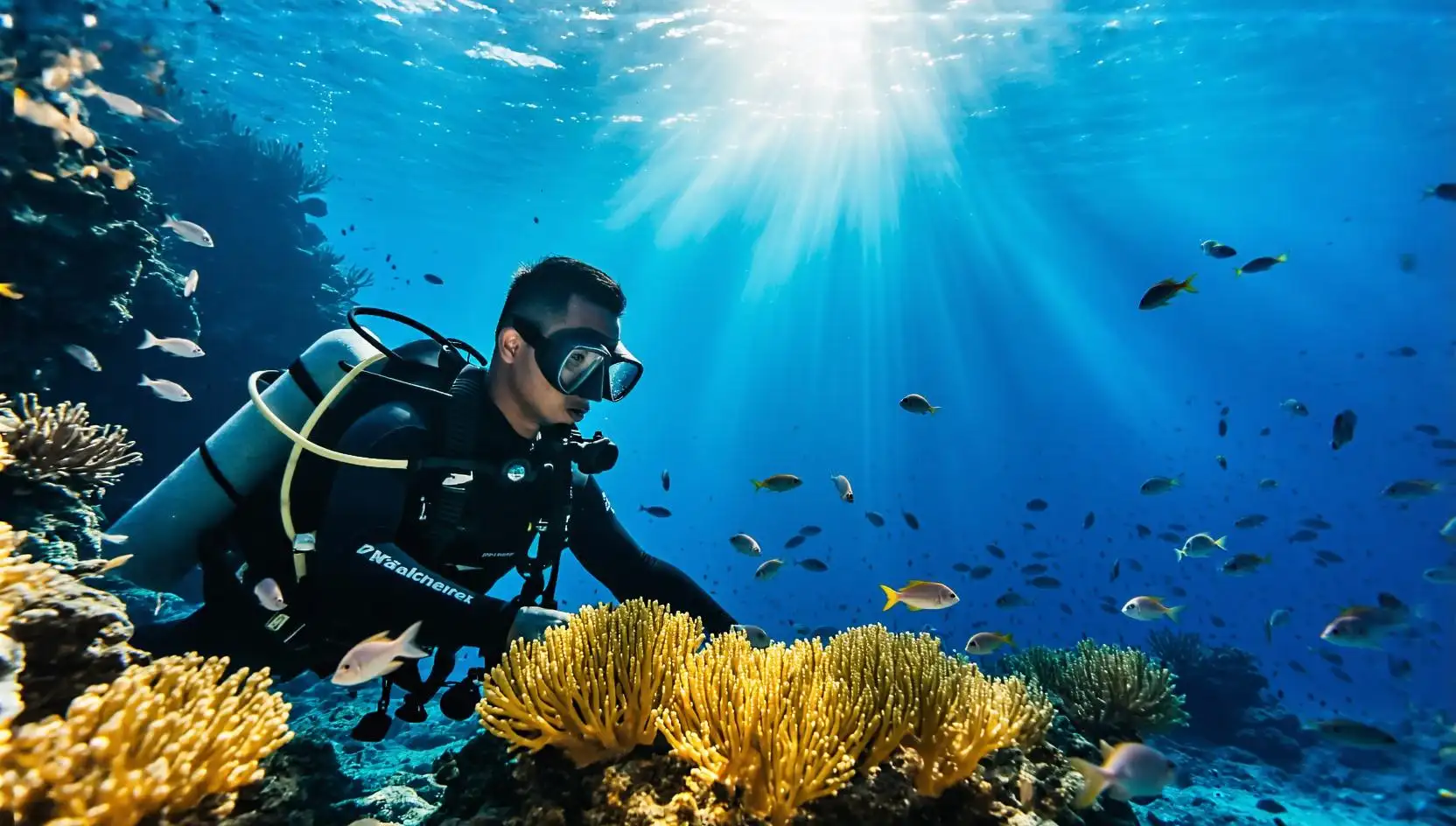
In Raja Ampat, one of the most biodiverse marine regions on Earth, dive operators work closely with local fishermen to protect coral reefs. Tourists pay a conservation fee that directly funds marine patrols and reef restoration projects. On the island of Flores, travelers can visit the traditional village of Wae Rebo, where seven conical-shaped houses stand as a testament to centuries-old architectural ingenuity.
Despite political complexities, Myanmar continues to captivate travelers with its unspoiled beauty and deeply rooted traditions. From the floating gardens of Inle Lake to the golden stupas of Bagan, the country offers a rare glimpse into a world where time seems to move at a different pace.
Sri Lanka, often referred to as the "Pearl of the Indian Ocean," boasts an extraordinary array of ecosystems within its compact borders. From the emerald hills of Nuwara Eliya to the dense jungles of Sinharaja, the island nation is a haven for eco-conscious adventurers.
Guatemala, a country steeped in ancient history and vibrant indigenous culture, offers a profound opportunity for cultural heritage immersion. Home to the remnants of the mighty Maya civilization, its landscapes are dotted with pyramids, ceremonial centers, and sacred lakes.
Once overshadowed by decades of conflict, Colombia has emerged as a leader in sustainable travel, boasting some of the most ambitious conservation and reintegration programs in Latin America. From the cloud forests of the Andes to the Amazon basin, the country is a living mosaic of biodiversity and cultural richness.
Planning a trip that aligns with the principles of eco-tourism requires intentionality and research. Start by identifying certified operators through platforms like the Global Sustainable Tourism Council (GSTC) or national bodies such as ATTA (Adventure Travel Trade Association). Look for companies that reinvest profits into conservation and community projects.
As we've seen across India (IN), Indonesia (ID), Myanmar (MM), Sri Lanka (LK), Guatemala (GT), and Colombia (CO), eco-tourism is more than a trend—it's a movement toward deeper, more meaningful engagement with the world. Each destination offers a unique lens through which to view natural exploration, cultural heritage, and the delicate interplay between human societies and the environments they inhabit.
Singh
|
2025.06.30


