

 Feed back
 Privacy Policy
Nestled within the archipelago of Southeast Asia, Indonesia stands not only as a tropical paradise but also as a cradle of rich spiritual traditions and deep-rooted cultural narratives. Among its many islands, Bali emerges as a beacon of Indonesian cultural tourism, where centuries-old traditions continue to shape contemporary life. This island is not merely a destination for sun-seekers or beachgoers; it is a living museum of religious monuments, where every stone tells a story of devotion, resilience, and identity.
At the heart of Bali's enduring appeal lies its intricate network of Balinese temples, each serving as both a place of worship and a testament to the island's long-standing connection with the divine. These structures, often perched on cliffs, nestled in rice fields, or rising above the ocean, are more than just tourist attractions—they are sacred spaces that anchor the spiritual lives of the Balinese people. Moreover, several of these sites have been recognized by UNESCO, underscoring their global significance and the need for continued preservation.
This article delves into the layered history and cultural importance of Bali's sacred monuments, exploring how they reflect the broader narrative of Indonesian history while offering visitors an unparalleled journey through time and faith.
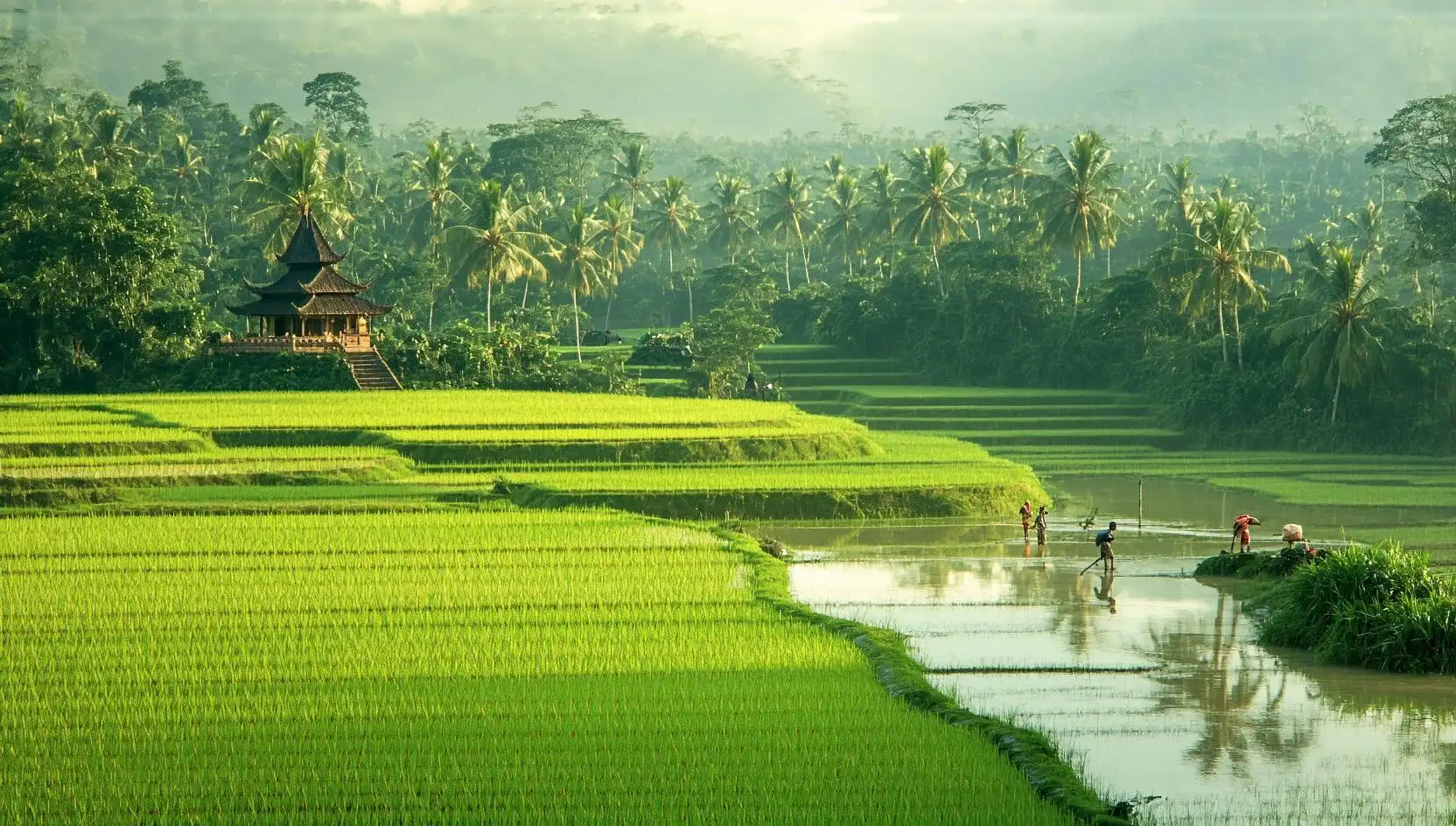
The architecture of Balinese temples, known locally as pura, is deeply rooted in the principles of Tri Mandala—a spatial division symbolizing the earthly realm, the transitional space, and the sacred domain. Each temple follows a strict hierarchical layout, with three distinct courtyards representing the physical, metaphysical, and spiritual dimensions of existence. Constructed primarily from volcanic rock, wood, and thatch, these temples are adorned with intricate carvings depicting mythological tales and cosmic symbolism.
Unlike Western cathedrals or mosques, which serve as communal places of worship, Balinese temples are often dedicated to specific deities or ancestral spirits. For instance, Pura Luhur Uluwatu, perched dramatically on a cliff overlooking the Indian Ocean, is devoted to the sea guardian Dewa Baruna. Meanwhile, Tirta Empul is renowned for its holy spring water, used in purification rituals that date back over a thousand years.
Religious practice in Bali is not confined to Sundays or holidays—it is woven into the fabric of everyday life. Locals visit temples multiple times a week, bringing offerings made of palm leaves, flowers, and incense to honor the gods. These rituals, performed with precision and reverence, reflect the Balinese belief in Tri Hita Karana—the three causes of well-being: harmony with God, fellow humans, and nature.
Visitors are often welcomed to observe these ceremonies, though certain areas may be restricted to locals or require specific attire. It is not uncommon to witness processions led by women balancing towering towers of fruit and flower offerings on their heads—a sight both mesmerizing and deeply symbolic.
Some of the most iconic Balinese temples include:
Each of these temples serves not only as a center of worship but also as a repository of Indonesian history, reflecting centuries of religious evolution and artistic expression.
In 2012, UNESCO inscribed the Cultural Landscape of Bali Province: the Subak System as a Reflection of the Tri Hita Karana Philosophy onto its World Heritage List. This designation was a landmark moment, recognizing not only the aesthetic beauty of Bali's terraced rice fields but also the philosophical underpinnings that govern land use, water management, and social harmony.
The subak system—an ancient irrigation method developed over a thousand years ago—is more than just a technical achievement; it is a manifestation of the Balinese worldview. By integrating spiritual beliefs into agricultural practices, the subak system fosters cooperation among farmers and reinforces the idea of shared responsibility toward nature and society.
To qualify for UNESCO status, a site must meet at least one of ten selection criteria. Bali's cultural landscape met three:
These criteria underscore why Bali deserves international protection and support, particularly in the face of modernization and environmental threats.
One lesser-known but culturally significant site is Tirta Gangga, a former royal palace built in 1948. Though partially destroyed by the eruption of Mount Agung in 1963, it has since been restored and remains a symbol of Bali's regal past. Its fountains, pools, and pavilions blend Balinese and European architectural styles, reflecting the island's openness to external influences while maintaining its core spiritual identity.
The evolution of religious monuments in Indonesia is a reflection of the country's complex historical trajectory. Before the arrival of Hinduism and Buddhism around the first millennium CE, the archipelago was home to animistic tribes who worshipped nature spirits and ancestral forces. These early beliefs were gradually integrated into the incoming religions, resulting in a uniquely syncretic tradition that persists today.
In Bali, this fusion is evident in the veneration of both Hindu deities like Shiva and Vishnu, alongside indigenous spirits such as Dewi Sri, the goddess of rice. The island's isolation from the widespread Islamic conversion that swept across Java and Sumatra allowed these ancient practices to endure, making Bali a rare sanctuary of pre-Islamic Southeast Asian culture.
Many Balinese temples contain inscriptions, reliefs, and artifacts that offer insights into the political and social structures of past kingdoms. For example, the Mpu Kuturan inscriptions found in various temples detail the administrative systems of the 11th-century Balinese kingdom of Bedulu. These records reveal how temples were not only centers of worship but also hubs of governance, education, and community organization.
Archaeologists and historians continue to uncover new evidence that enriches our understanding of Indonesian history. Recent excavations near Gunung Kawi Temple revealed ancient cave sanctuaries carved into the cliffs, believed to date back to the 11th century and possibly linked to the Udayana dynasty.
Despite their historical value, many of Bali's sacred sites face threats from urban expansion, climate change, and tourism pressure. To address these concerns, the Indonesian government, in collaboration with UNESCO and local communities, has launched conservation programs aimed at restoring damaged temples and educating the public about responsible tourism.
Efforts include training local stonemasons in traditional construction techniques, promoting eco-friendly tourism practices, and digitizing ancient manuscripts for academic research. These initiatives not only safeguard Bali's cultural legacy but also ensure that future generations can continue to learn from and experience the island's profound spiritual heritage.
Cultural tourism has become a cornerstone of Indonesia's economy, with Bali leading the way. According to data from the Central Bureau of Statistics (BPS), cultural tourism contributed approximately IDR 347 trillion (around USD 24 billion) to Indonesia's GDP in 2019, with a significant portion attributed to heritage sites in Bali.
Tourists are drawn not only to the island's natural beauty but also to its immersive cultural experiences. From witnessing sunrise rituals at Besakih Temple to participating in traditional dance performances, visitors gain a deeper appreciation of Indonesian history and the values that define Balinese society.
Recognizing the economic potential of Indonesia cultural tourism, the government has implemented policies to promote sustainable development. These include the "Visit Indonesia Year" campaigns, which highlight cultural festivals and heritage tours, and the establishment of community-based tourism programs that empower local villages to manage their own attractions.
Local communities play a vital role in preserving their cultural assets. In regions like Ubud and Tegallalang, villagers operate homestays, guide tours, and sell handicrafts directly to tourists, ensuring that the benefits of tourism remain within the community.
Sustainability is increasingly becoming a focus for both policymakers and travelers. Eco-conscious accommodations, waste reduction programs, and educational tours now form part of the standard itinerary for many cultural tourists. Visitors are encouraged to respect sacred spaces by dressing modestly, refraining from disruptive behavior, and supporting local artisans rather than mass-produced souvenirs.
Moreover, digital platforms and mobile applications have made it easier for tourists to access information about etiquette, history, and conservation efforts related to Balinese temples and other heritage sites.
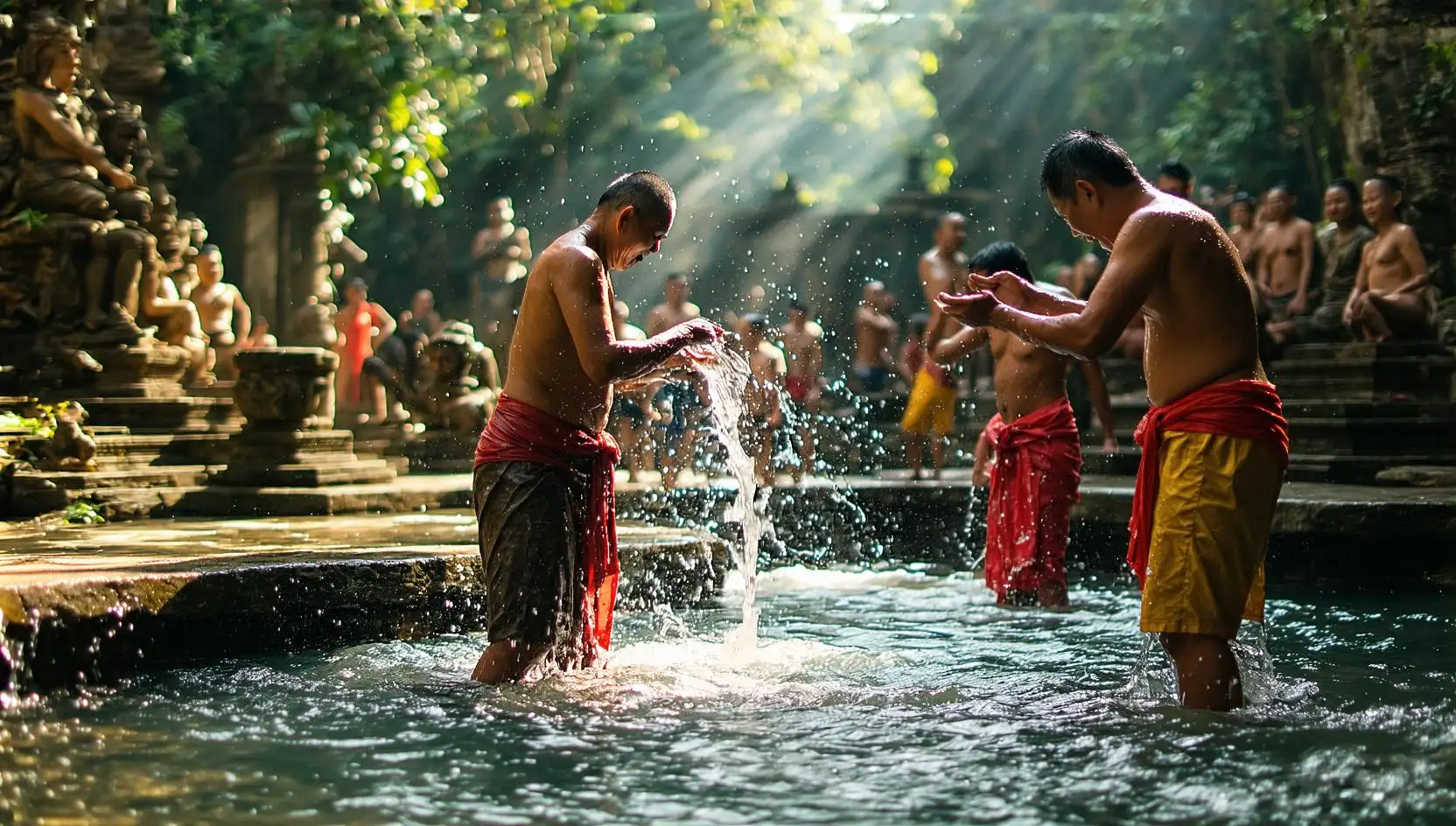
Bali's sacred monuments are more than relics of the past—they are vibrant expressions of a living culture that continues to evolve while honoring its roots. From the grandeur of Besakih Temple to the serene waters of Tirta Empul, these sites encapsulate the essence of Indonesian history, spirituality, and community.
As Indonesia cultural tourism continues to grow, it becomes ever more crucial to strike a balance between accessibility and preservation. By fostering awareness, encouraging responsible travel, and investing in conservation, we can ensure that Bali's sacred monuments remain not only as tourist attractions but as sanctuaries of meaning and memory for generations to come.
Widodo
|
2025.06.30


